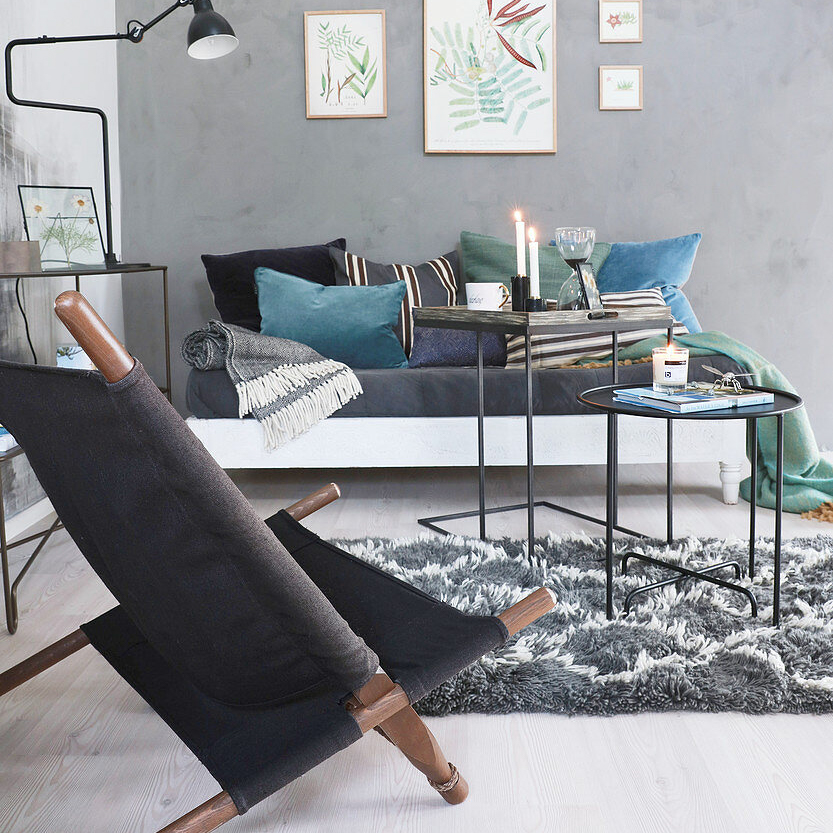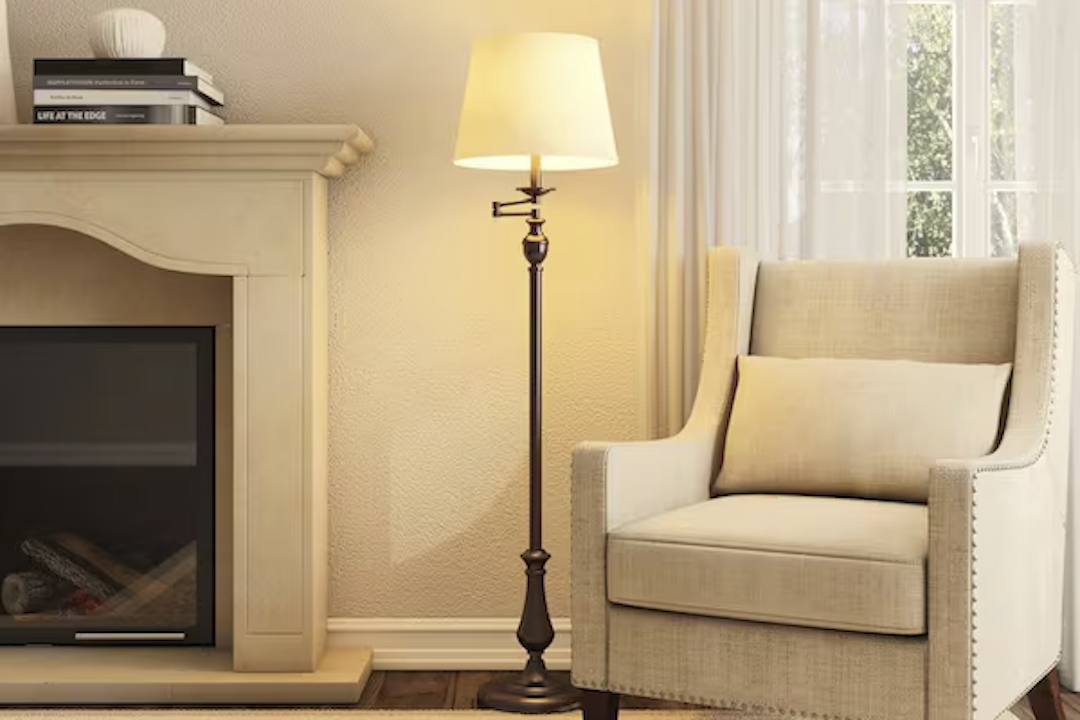
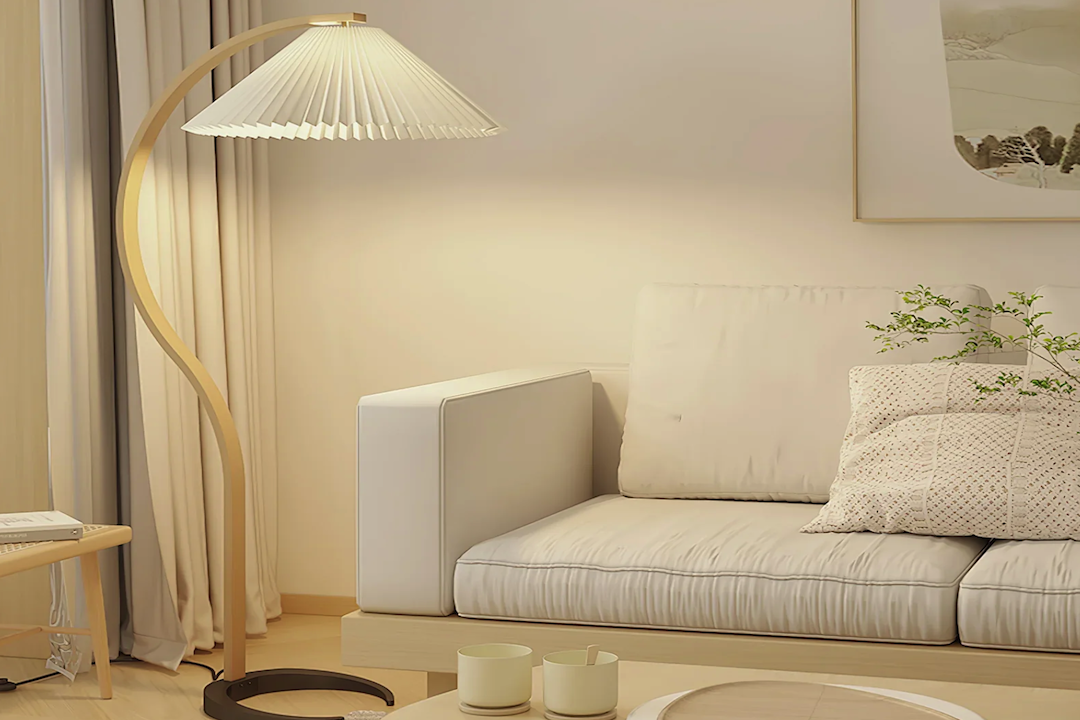
The design philosophy of Japandi, a confluence of Japanese minimalism and Scandinavian functionality, has gained prominence in contemporary interiors. This article explores the integration of pleated fabric floor lamps within this aesthetic. These lamps are not merely sources of illumination; they are sculptural elements that contribute to the creation of a harmonious and tranquil living space.
Japandi represents a thoughtful synthesis of two distinct yet complementary design traditions. It prioritizes simplicity, natural materials, and a sense of calm.
Core Principles of Japandi Design
The foundation of Japandi rests on several key tenets:
- Minimalism: This involves a deliberate reduction of clutter, focusing on essential items and clean lines. Each object serves a purpose or holds intrinsic beauty.
- Functionality: Scandinavian design emphasizes practicality and utility. Items are designed to be used and to improve daily life, not merely to occupy space.
- Natural Materials: Wood, bamboo, linen, and ceramic are staples. These materials introduce texture and an organic feel, fostering a connection with nature.
- Neutral Color Palettes: Soft, muted tones such as off-whites, greys, and earthy browns dominate. These colors promote a sense of serenity and allow natural light Woyik to diffuse effectively.
- Craftsmanship: There is an appreciation for handmade items and quality construction. Imperfections are often embraced as part of the material’s character.
The Role of Lighting in Japandi
Lighting in Japandi is more than functional; it is integral to shaping the mood and atmosphere of a space. It frequently employs diffused illumination, avoiding harsh glares and creating a soft, welcoming glow.
Pleated Fabric Floor Lamps: A Complementary Element
Pleated fabric floor lamps, with their delicate textures and diffused light, align well with the principles of Japandi. Their construction and aesthetic contribute to the overall design scheme.
Materiality and Texture
The primary material in these lamps is fabric, often linen, cotton, or a blend. The pleating introduces a tactile dimension.
- Linen: This natural fiber offers a subtle texture and allows light to filter softly. Its slightly irregular weave contributes to an organic feel.
- Cotton: Depending on the weave, cotton can provide a smooth or a more pronounced texture, contributing to visual interest without being overtly decorative.
- Pleating: The process of pleating creates a repetitive pattern, adding depth and visual rhythm to the lamp’s surface. This softens the emitted light and disperses it evenly.
Light Diffusion and Ambiance
The fabric shade acts as a diffuser, transforming harsh direct light into a gentle, ambient glow. This soft illumination is characteristic of Japandi interiors.
- Reduced Glare: The fabric minimizes direct glare from the light source, protecting the eyes and promoting a relaxed atmosphere.
- Even Light Distribution: The diffused light spreads more evenly across a space, minimizing shadows and creating a uniform brightness.
- Warmth and Comfort: Soft lighting contributes to a sense of warmth and comfort, inviting occupants to unwind.
Integrating Pleated Fabric Floor Lamps into Japandi Interiors
Successful integration requires careful consideration of placement, scale, and the interplay with other elements within a room.
Strategic Placement
The positioning of a pleated fabric floor lamp can significantly influence its impact on a space.
- Corners: Placing a lamp in a corner can illuminate an otherwise dim area, drawing attention to a potentially underutilized part of the room.
- Reading Nooks: Beside an armchair or a low sofa, these lamps provide targeted yet soft light, suitable for reading or quiet contemplation.
- Transitional Zones: In hallways or at the end of a corridor, they can act as visual markers, guiding movement and adding an understated decorative element.
Scale and Proportion
Considering the size of the lamp relative to the room and surrounding furniture is crucial to maintaining visual balance.
- Room Size: In smaller rooms, a slender, minimalist lamp may be more appropriate to avoid overwhelming the space. Larger rooms can accommodate more substantial designs.
- Furniture Height: The lamp’s height should complement the height of nearby furniture. It should not appear dwarfed by a tall bookshelf or overly dominant next to a low-slung table.
- Visual Weight: While generally light in appearance, the overall visual weight of the lamp – determined by its base, shade size, and material – should be balanced with other elements.
Complementary Furnishings and Materials
The lamp should integrate seamlessly with other Japandi elements in the room.
- Wood Furniture: The natural tones of wood furniture, such as oak or ash, will harmonize with the fabric and natural aesthetic of the lamp.
- Textiles: Introduce throws or cushions in linen or cotton to echo the fabric of the lamp, creating a cohesive textile palette.
- Ceramics: Handmade ceramic vessels or pottery can reinforce the artisanal quality often associated with Japandi and complement the lamp’s understated elegance.
Design Variations and Contemporary Adaptations
While the core concept remains consistent, pleated fabric floor lamps exhibit variations in design, offering flexibility for different Japandi interpretations.
Base Materials and Forms
The base of the lamp, often overlooked, contributes significantly to its overall aesthetic.
- Wood Bases: Consistent with Japandi, bases crafted from light-toned wood like birch or beech reinforce the natural material palette. Their simple forms, often cylindrical or rectangular, maintain a minimalist approach.
- Metal Bases: Matte black or brushed brass metal bases can introduce a subtle industrial edge without conflicting with the Japandi aesthetic, particularly when the metal is understated and not overly ornate.
- Tripod Bases: Three-legged bases offer stability and a slightly dynamic visual element. Their open structure can contribute to a sense of spaciousness.
Shade Shapes and Sizes
Beyond the standard cylinder, pleated shades come in various geometric forms.
- Cylindrical: The most common form, cylinders offer a classic and versatile aesthetic. They provide a predictable diffusion of light.
- Tapered: Shades that gently taper inward or outward can introduce a soft sculptural quality, breaking the monotony of straight lines.
- Lantern-Inspired: Some designs draw inspiration from traditional Japanese lanterns, with frames that evoke paper Shoji screens. These often feature bamboo or slender wood elements.
Incorporating Technology
Modern adaptations include integrated smart lighting features.
- Dimmable Functions: The ability to adjust light intensity allows for greater control over the room’s ambiance, transitioning from brighter task lighting to softer mood lighting.
- Color Temperature Adjustment: Some smart bulbs allow manipulation of the light’s color temperature, from cool white to warm amber, further enhancing the lamp’s adaptability to different moments and moods.
Maintenance and Longevity
Proper care ensures the longevity and continued aesthetic appeal of pleated fabric floor lamps.
Routine Cleaning
Regular dusting is essential to maintain the fabric’s appearance and prevent dust accumulation from affecting light quality.
- Dusting: Use a soft, dry cloth or a feather duster for routine dust removal. Avoid abrasive materials that could damage the fabric.
- Vacuuming: For deeper cleaning, a vacuum cleaner with a brush attachment on a low setting can carefully remove dust and debris from the pleats without distorting the fabric.
Spot Treatment
Accidental spills or marks require prompt and appropriate treatment to avoid permanent stains.
- Fabric-Specific Cleaners: Always use cleaning solutions formulated for the specific type of fabric of the lamp shade. Test a small, inconspicuous area first to ensure no discoloration occurs.
- Gentle Blotting: Avoid rubbing stains, which can spread them. Instead, gently blot the affected area with a clean, damp cloth and the appropriate cleaner.
Addressing Fabric Distortion
Over time or with improper handling, the pleats may lose their crispness.
- Steaming (Cautiously): For certain fabrics, a very light steaming from a distance can help restore the pleats. Exercise extreme caution and test a small area first, as excessive heat or moisture can damage the fabric or adhesive. Consult manufacturers’ recommendations if available.
- Professional Cleaning: For valuable or delicate shades, consider professional cleaning services specializing in fabric care.
The Enduring Appeal of Understated Illumination
Pleated fabric floor lamps, within the Japandi framework, are more than functional objects; they are quiet contributors to a deliberate aesthetic. They represent a philosophy of design that values simplicity, natural beauty, and a calm atmosphere. By carefully selecting and integrating these lamps, one can cultivate a living space that feels both grounded and elevated, a sanctuary from the relentless pace of contemporary life. They serve as a visual whisper in a world often dominated by shouting forms, reminding us of the elegance found in restraint and the comfort found in diffused light. When you choose a pleated fabric floor lamp for your Japandi-inspired interior, you are selecting a piece that resonates with these very principles, transforming light into an art form that speaks of peace and balance. The result is a space that embraces the quiet dialogue between Japanese serenity and Scandinavian practicality, allowing the light to shape not only the visual landscape but also the emotional experience of the room.