Imagine a time when the future was envisioned with chrome, atomic motifs, and a sense of boundless optimism. This vision, often characterized by rocket ships soaring through starry expanses and sleek, streamlined designs, continues to inspire today. Retro-futuristic space age table lamps are a tangible manifestation of this enduring aesthetic, acting as a window into a past’s projection of tomorrow. These lamps serve not only as sources of light but as conversation pieces, evocative of a specific cultural moment.
The mid-20th century witnessed a profound shift in design philosophy, heavily influenced by technological advancements and a fascination with space exploration. This era, often referred to as the Space Age, saw designers and manufacturers embrace new materials and forms, seeking to imbue everyday objects with the dynamism and promise of the burgeoning space program.
Post-War Optimism and Technological Innovation
Following World War II, a wave of optimism swept across many Western nations. This was coupled with a surge in scientific and technological development, particularly in areas related to aviation and rocketry. The successful launch of Sputnik in 1957, for example, ignited public imagination and spurred a widespread interest in all things space-related. Designers looked to the stars not just as a destination but as a muse, translating the sleek curves of rockets and the spherical forms of planets into functional and decorative objects. The prevailing sentiment was that science and technology held the keys to a brighter, more advanced future, and this was reflected in the products of the time, from automobiles to architecture and, of course, lighting. The development of new plastics, metals like aluminum and chrome, and improved manufacturing techniques allowed for the creation of previously unattainable shapes and finishes.
The Influence of Atomic Culture
Parallel to the space race was the rise of “atomic culture.” The advent of nuclear power, with its promise of abundant energy and its inherent power, permeated popular culture. The atom itself, with its nucleus and orbiting electrons, became a potent visual metaphor. This translated into design motifs characterized by orbiting spheres, starbursts, and stylized atomic models. These elements, often rendered in bright, primary colors or polished metallic finishes, became synonymous with modernism and the forward-looking spirit of the era. This aesthetic found its way into everything from furniture and textiles to consumer electronics and children’s toys, and table lamps were no exception. Think of a stylized atom, with a central bulb and radiating arms, and you have a quintessential retro-futuristic lamp.
Key Design Movements and Their Impact
Several key design movements contributed to the retro-futuristic space age aesthetic. Mid-century modernism, with its emphasis on clean lines, organic shapes, and functionality, provided a fertile ground for space-age experimentation. Designers often bridged the gap between practicality and whimsy, creating objects that were both usable and visually striking. Googie architecture, prevalent in the 1950s and 60s, particularly in and around Los Angeles, is another significant influence. Characterized by its bold, futuristic forms, cantilevered roofs, and boomerang shapes, Googie buildings often incorporated neon lighting and eye-catching signage. This architectural style mirrored the aspirations and visual language of the space age, and its influence can be seen in the dynamism and angularity of some retro-futuristic lamps. Even the subtle curvature of a satellite dish found its echo in the shades of certain lamps.
Typologies of Retro-Futuristic Space Age Table Lamps
The diversity within retro-futuristic space age table lamps is striking, reflecting a range of design approaches and inspirations. They can be broadly categorized by their primary forms and stylistic cues.
The “Rocket” Lamp
One of the most recognizable forms is the “rocket” lamp. These lamps often feature a conical or tapered base, mimicking the body of a rocket, with a cylindrical or spherical shade positioned at the top, representing the payload or engine. The materials used are typically polished chrome, brushed aluminum, or brightly colored enameled metal. Some designs incorporate fins or small wings for added detail, enhancing the sense of motion and flight. The shades can vary, from simple cylinders to more elaborate, multi-tiered designs that suggest stages of a rocket launch. The overall impression is one of speed, progress, and the ambition to reach new heights, much like the rockets that dominated the headlines.
Variations in Form and Material
Within the rocket lamp category, significant variations exist. Some are characterized by a sleek, minimalist silhouette, focusing on smooth curves and polished surfaces. Others adopt a more robust and industrial look, with visible rivets or a more utilitarian construction. The choice of material also plays a crucial role. Chrome plating offers a high-gloss, reflective finish that captures and amplifies light, while brushed aluminum provides a more subdued, satin sheen. The introduction of colored plastics, often in vibrant reds, blues, or yellows, further diversifies the aesthetic, injecting a playful and energetic quality. The bulb itself can become an integrated design element, sometimes enclosed within a clear glass sphere, further enhancing the celestial theme.
The “Orbital” or “Planet” Lamp
Another distinct typology is inspired by celestial bodies. These lamps often feature spherical or ovoid shades, evocative of planets, moons, or satellites. The bases can be simple stands, tripod-like structures, or more elaborate designs that suggest orbits or planetary rings. The materials frequently employed include frosted or colored glass, translucent plastics, and polished metals. The aim here is often to create a soft, diffused glow, reminiscent of moonlight or the gentle light of distant stars. Some designs may even incorporate rotating elements or multiple concentric spheres, further emphasizing the orbital concept. These lamps bring a sense of cosmic serenity and wonder into a room.
Spherical Shades and Diffused Light
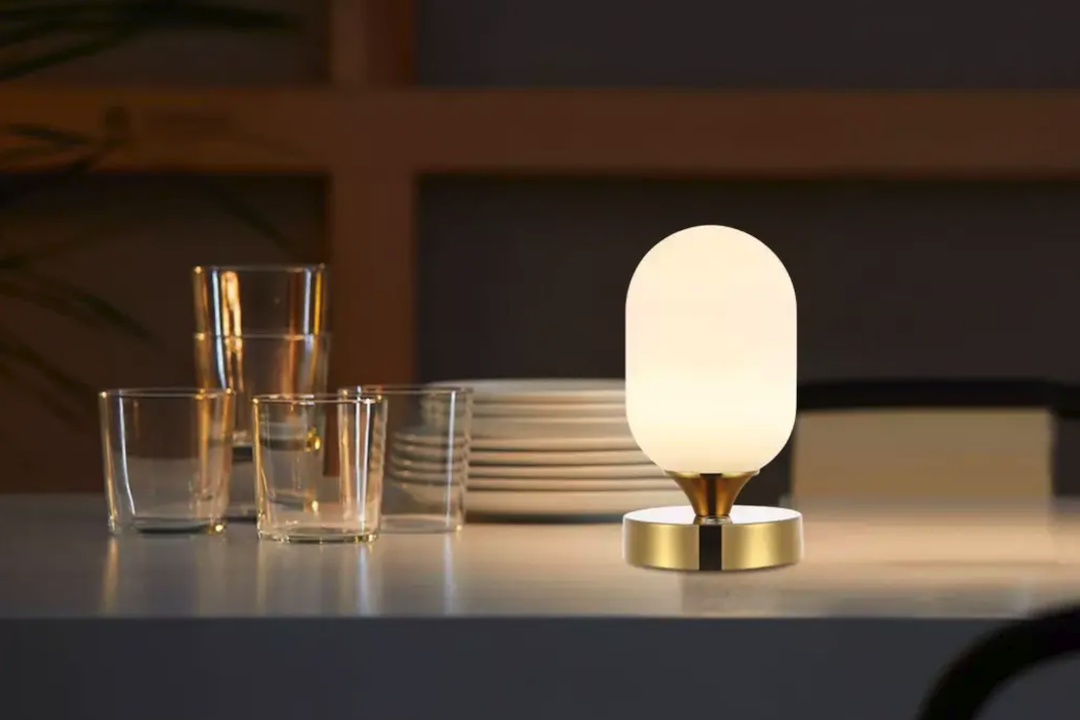
The defining characteristic of these lamps is their spherical or near-spherical shade. This design choice inherently lends itself to diffused lighting, creating a warm and inviting ambiance. The shades can be made from glass, either clear, frosted, or colored, or from synthetic materials like acrylic or fiberglass. The color of the shade can significantly impact the mood, with milky whites and soft blues evoking lunar landscapes, while darker shades with subtle patterns might suggest nebulae or distant galaxies. The bases are often designed to complement the shade’s form, with slender metal arms extending upwards to cradle the sphere, or solid, weighty bases that provide a grounding contrast. The overall effect is sophisticated and serene, like holding a miniature planet in your hands.
The “Atomic” or “Starburst” Lamp
This category draws directly from the visual language of atomic culture. Lamps in this style often feature stylized representations of atoms, with a central light source encircled by radiating elements or arms. The “starburst” motif, a radiating star-like pattern, is also a common feature, often found on bases, shades, or decorative accents. Materials such as brass, copper, and brightly colored enameled metals are frequently used, often combined with glass or even mosaic elements. These lamps are characterized by their dynamic energy and graphic appeal, embodying the excitement and perceived power of the atomic age. They are like small bursts of cosmic energy made manifest.
Geometric Forms and Radiating Elements
The “atomic” lamp is less about organic curves and more about a clean, geometric abstraction. Think of a central hub from which spoke-like elements extend outwards. These spokes can be slender metal rods, curved fins, or even small glass orbs. The starburst motif, with its pointed rays, adds a sense of outward motion and intensity. The materials here can range from polished brass and chrome to painted metal in bold colors like turquoise, red, or yellow. The overall aesthetic is often bold and decorative, making a strong visual statement. These lamps are less about ambient warmth and more about a vibrant, energetic presence, much like the scientific breakthroughs they symbolize.
The “Googie” Inspired Lamp
While less common as a distinct typology, certain lamps exhibit design characteristics directly influenced by Googie architecture. These might feature boomerang shapes, cantilevered elements, or a general sense of upward or outward thrust. They often incorporate dramatic angles and bold contrasts between materials. The visual language is less about cosmic exploration and more about a roadside diner or a futuristic drive-in theater, blending optimism with a certain playful futurism.
Angularity and Dynamic Lines
Lamps with a Googie influence often move away from purely spherical or conical forms and embrace a more angular and dynamic aesthetic. This can manifest in asymmetrical designs, sharp angles, and a sense of dynamism that suggests forward movement or even a slight defiance of gravity. Materials like chrome, glass, and molded plastics are popular. The overall impression is one of playful, optimistic modernity, recalling the visual cues of mid-century commercial architecture that embodied this spirit. These lamps are less about serene contemplation and more about an energetic, almost kinetic, presence.
Materials and Manufacturing Processes
The materials and manufacturing techniques employed in the creation of retro-futuristic space age table lamps were instrumental in defining their unique aesthetic. The era’s technological advancements allowed for a departure from traditional materials and methods.
The Rise of New Materials
The mid-20th century saw the widespread adoption of novel materials in furniture and decorative arts. Polished chrome became ubiquitous, offering a sleek, reflective surface that evoked the gleam of rockets and advanced machinery. Brushed aluminum provided a more subdued, matte finish, still conveying modernity and sophistication. Plastics, in various forms, allowed for new shapes and vibrant colors. Materials like Bakelite and later acrylics and lucite were molded into organic and geometric forms that were difficult to achieve with traditional materials. Frosted and colored glass was also extensively used, particularly in shades, to create diffused and atmospheric lighting effects, mimicking the glow of distant stars or otherworldly lights.
Chrome, Aluminum, and Plastics
Chrome plating offered a high-gloss, mirror-like finish that was aspirational and futuristic. It was durable and relatively easy to maintain, making it a popular choice for bases, stems, and decorative accents. Brushed aluminum offered a more modern and less ostentatious alternative, with a subtle sheen that still conveyed a sense of technological advancement. The development and affordability of plastics opened up a new world of design possibilities. These materials could be molded into complex shapes, and their ability to hold vibrant colors allowed designers to inject a playful and energetic quality into their creations. From transparent acrylic shades to brightly colored molded bases, plastics were a cornerstone of space age design.
Innovative Manufacturing Techniques
The manufacturing processes of the era also contributed to the distinctive look of these lamps. Die-casting allowed for the creation of intricate metal components with precision and uniformity. Spinning metal was used to create seamless, curved shade forms. Injection molding for plastics enabled mass production of complex shapes. These techniques allowed designers to move beyond traditional woodworking or metalworking and experiment with new forms and finishes. The ability to produce these items at scale also made them more accessible to a wider consumer base, spreading the space age aesthetic throughout homes and businesses.
Spinning, Molding, and Finishing
Metal spinning was a key technique for forming the conical and dome-like shades common in many space age lamps. This process involved rotating a metal blank against a form, allowing it to be shaped into the desired silhouette. Die-casting was utilized for creating complex base elements and decorative accents with sharp details and consistent dimensions. For plastic components, injection molding allowed for rapid and cost-effective production of intricate shapes, from housings to decorative fins. The finishing of these materials was also crucial. Polishing chrome to a mirror finish, brushing aluminum to a satin sheen, and applying vibrant lacquers to metal or plastic surfaces were all essential steps in achieving the desired retro-futuristic aesthetic.
The Aesthetic and Cultural Significance
Retro-futuristic space age table lamps are more than just functional objects; they are artifacts that embody a specific cultural moment and continue to resonate with contemporary audiences.
A Reflection of a Future Imagined
These lamps serve as a tangible reminder of a past generation’s vision of the future. The optimism, ambition, and fascination with technology that characterized the Space Age are palpable in their design. They represent a future that was imagined with sleek lines, bold forms, and a sense of boundless possibility, a future that was perhaps more whimsical and less complex than the one we inhabit today. They offer a nostalgic glimpse into that optimistic projection, a visual shorthand for progress and adventure.
Optimism, Exploration, and Wonder
The Space Age was an era defined by a profound sense of optimism and a drive for exploration. The successful launch of rockets, the exploration of distant planets, and the prospect of space travel fueled a collective imagination. Designers sought to imbue their creations with this same spirit of adventure and wonder. Table lamps in this style often evoke a sense of movement, aspiration, and the unknown, transforming everyday living spaces into miniature cosmic landscapes. This aesthetic tapped into a primal human desire for discovery and progress.
Enduring Appeal and Contemporary Relevance
Despite being products of a bygone era, retro-futuristic space age table lamps retain a strong contemporary appeal. Their distinctive aesthetic continues to be appreciated by individuals seeking to inject personality and a unique style into their homes. This enduring popularity can be attributed to several factors. Firstly, the design is inherently timeless in its boldness and simplicity. Secondly, there is a growing appreciation for vintage and mid-century design, with its emphasis on quality craftsmanship and distinctive forms. Finally, these lamps offer a way to connect with a period of significant technological and cultural change, a reminder of a time when the future felt full of promise. They are not just retro; they are a statement.
Nostalgia, Design Appreciation, and Thematic Decor
The appeal of these lamps is multifaceted. For some, they evoke a sense of nostalgia for a romanticized past, a time when technology seemed to promise a brighter future. For design enthusiasts, they represent the ingenuity and creativity of mid-century modernism and its space-age offshoots. Furthermore, they are perfect for thematic decor, adding a distinct touch to spaces that aim for a mid-century modern, atomic-age, or even a science fiction-inspired ambiance. They are a conversation starter and a focal point, transforming a room from simply decorated to curated.
Sourcing and Collecting Retro-Futuristic Space Age Table Lamps
For those interested in acquiring these unique pieces, several avenues exist, ranging from traditional antique markets to online platforms. The process of sourcing and collecting can be as rewarding as the ownership of the lamps themselves.
Navigating the Market for Vintage Finds
The primary source for authentic retro-futuristic space age table lamps is the vintage and antique market. This includes antique shops, flea markets, and estate sales. Developing an eye for genuine pieces and understanding common manufacturers and designers from the period can be beneficial. Patience is often a virtue, as finding the perfect lamp might require multiple visits and extensive searching. Developing relationships with reputable dealers can also provide access to curated selections and expert advice. The thrill of discovery, of unearthing a hidden gem, is a significant part of the collecting experience.
Antique Shops, Flea Markets, and Estate Sales
These physical locations offer the opportunity to see, touch, and inspect lamps in person, which is crucial for assessing their condition and authenticity. Antique shops often have a more curated selection and knowledgeable staff, while flea markets and estate sales can offer more unexpected finds and potentially lower prices. It’s important to look for signs of wear and tear, check for original wiring (or consider rewiring for safety), and inspect for any damage to the shade or base.
The Digital Landscape of Online Marketplaces
The internet has significantly expanded the reach for collectors of retro-futuristic space age table lamps. Online auction sites, vintage furniture marketplaces, and specialized dealer websites provide a vast inventory accessible from anywhere. These platforms often feature detailed descriptions, numerous photographs, and buyer protection policies, which can be reassuring when purchasing remotely. However, it’s crucial to exercise due diligence, examine seller reviews, and communicate clearly with sellers to ensure satisfaction. This digital realm has democratized the market, making these iconic pieces accessible to a global audience.
Online Auction Sites and Vintage Marketplaces
Platforms like eBay, Etsy, 1stDibs, and Chairish are popular destinations for finding retro-futuristic lamps. They offer a wide range of options, from rare collectible pieces to more affordable reproductions or refurbished items. It’s important to read descriptions carefully, pay attention to shipping costs, and understand return policies. Comparing prices across different platforms can also help in securing a good deal. The ability to search by keywords such as “space age lamp,” “atomic lamp,” or “mid-century modern lamp” makes the hunting process more efficient.
Restoration and Preservation Challenges
Maintaining the luster and functionality of retro-futuristic space age table lamps can present unique challenges, requiring careful consideration of materials and historical integrity.
Rewiring and Electrical Safety
One of the most common and crucial restoration tasks is rewiring. Older electrical cords and components can degrade over time, posing a fire hazard. It is generally recommended to have a qualified electrician or a knowledgeable individual replace old wiring with modern, safe equivalents. However, it’s important to do so in a way that minimizes alteration to the original aesthetic. The goal is to ensure safety without compromising the lamp’s vintage character. Some collectors opt to preserve original wiring for display purposes, while using a separate, modern cord for functionality, thus bifurcating preservation and use.
Safety Standards and Period-Appropriate Components
Modern electrical codes and safety standards are paramount. When rewiring, it’s essential to use materials and techniques that meet current safety requirements. This might involve using fabric-covered cord similar to the original, but with modern insulation. Replacing old sockets with new ones and ensuring proper grounding are also vital steps. The objective is to restore functionality and safety without altering the lamp’s original appearance or historical significance. A delicate balance must be struck between modern safety and vintage integrity, much like navigating a minefield while trying to preserve precious artifacts.
Material-Specific Care and Cleaning
The diverse materials used in these lamps necessitate specific care. Chrome can be polished with a soft cloth and a mild chrome cleaner to restore its shine and remove tarnish. Aluminum may require specialized aluminum polish to avoid scratching. Plastic components should be cleaned with mild soap and water or specialized plastic cleaners, avoiding abrasive materials that could cause clouding or scratching. Glass shades, especially frosted or colored varieties, should be cleaned gently to preserve their finish. Understanding the properties of each material is key to preventing damage and maintaining the lamp’s original beauty.
Polishing, Cleaning Agents, and Avoiding Damage
For metal components, using non-abrasive cleaning agents is crucial. Harsh chemicals or abrasive pads can scratch or dull the finish, diminishing the lamp’s aesthetic value. For plastics, it’s important to test cleaning solutions in an inconspicuous area first. Excessive heat can also damage plastic shades. When cleaning glass, a soft cloth and a mild glass cleaner are usually sufficient. The key is a gentle approach, prioritizing the preservation of the original finishes over aggressive cleaning methods. The goal is to restore the lamp’s appearance without altering its inherent character, treating it as a historical artifact.
The enduring allure of retro-futuristic space age table lamps lies in their ability to transport us to a dream of tomorrow, as envisioned by the past. They are more than just sources of light; they are luminous echoes of an optimistic era, shining brightly in our contemporary spaces.