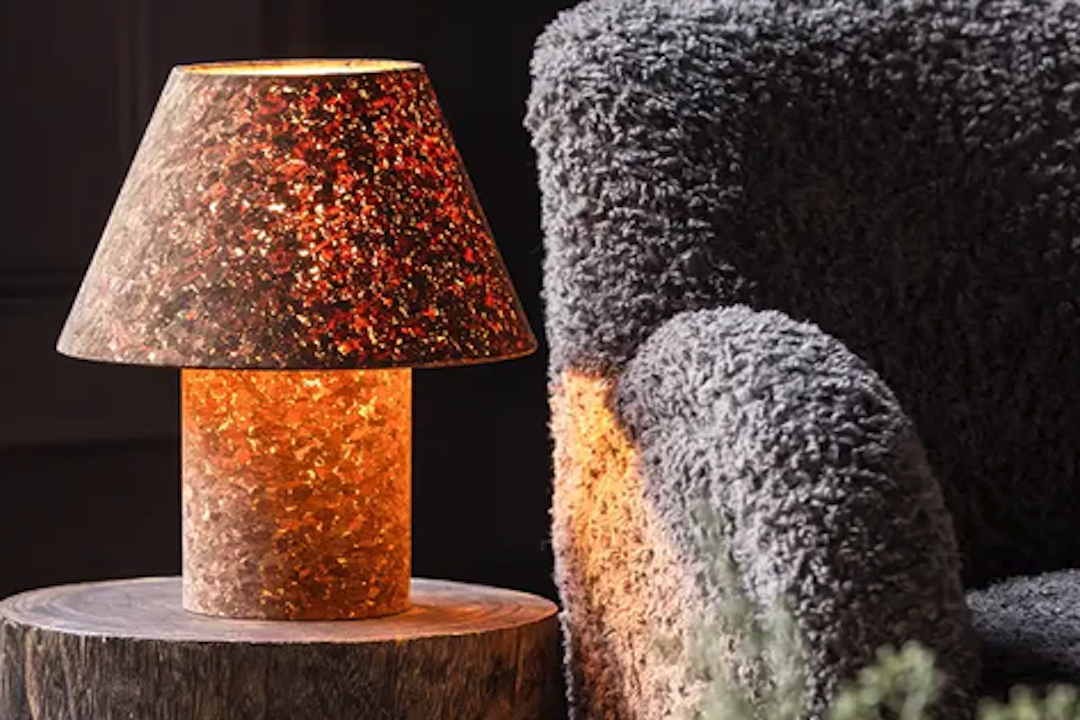
The natural cork accent table lamp represents a design integration of sustainable materials with functional illumination. This article explores the characteristics, environmental implications, and practical considerations surrounding this lighting fixture.
The design of a natural cork accent table lamp Makalco often prioritizes organic forms and a minimalist aesthetic. This approach aims to create a harmonious object that complements various interior styles without dominating the visual space.
Materiality and Texture
The primary material, natural cork, dictates much of the lamp’s aesthetic. Its inherent texture, characterized by a porous yet resilient surface, offers a tactile experience distinct from more common lamp materials like metal or ceramic. The color palette typically ranges from light beige to earthy browns, reflecting its natural origins. This palette allows for easy integration into diverse color schemes, serving as a neutral anchor in a room. The material’s visual warmth can soften the perceived harshness of modern interiors or enhance the coziness of more traditional settings. The variations in cork grain mean that each lamp possesses a unique pattern, preventing mass-produced uniformity. This individuality can be appealing to those seeking objects with a distinct character.
Form Factors and Silhouettes
Natural cork accent table lamps are manufactured in a variety of shapes. Common forms include cylindrical, conical, and spherical bases, each offering a different visual weight and light dispersion characteristic. A cylindrical base often provides a stable, understated foundation, while a conical base can direct a viewer’s eye upwards towards the lampshade. Spherical designs introduce a softer, more sculptural element to a space. The lamp’s silhouette influences its perceived presence; a slender design may appear delicate, while a broader base can convey solidity. The interplay between the cork base and the lampshade (which can be made from various materials like linen, cotton, or even complementary cork fabric) further defines the lamp’s overall form.
Integration with Interior Styles
The lamp’s natural aesthetic facilitates its integration into a spectrum of interior design styles. In Scandinavian interiors, its simplicity and organic material align with the emphasis on functionality and natural elements. Within bohemian or eclectic spaces, the cork lamp can contribute to the layered textures and global influences often present. For minimalist designs, the lamp offers texture and a subtle focal point without introducing excessive visual clutter. Even in industrial or contemporary settings, a cork lamp can provide a grounding element, offering a counterpoint to cooler, harder materials such as steel or concrete. This adaptability stems from cork’s unpretentious nature and inherent neutrality.
Environmental and Sustainability Aspects
The selection of cork as a primary material for manufacturing accent table lamps is frequently driven by its environmental credentials. This section explores the lifecycle and ecological impact of cork production and its application in lighting.
Cork Harvesting and Regeneration
Cork is harvested from the bark of the cork oak tree (Quercus suber) without felling the tree. This process, known as cork stripping or de-corking, occurs approximately every 9 to 12 years once the tree reaches maturity. The removal of the bark does not harm the tree; in fact, it stimulates regeneration, leading to a new layer of cork. This cyclical harvesting method ensures the long-term viability of cork oak forests. These forests, primarily located in Mediterranean regions, are vital ecosystems, providing habitats for various plant and animal species and playing a role in carbon sequestration. The non-destructive nature of cork harvesting distinguishes it from other timber industries, which typically require tree felling.
Carbon Footprint and Biodegradability
The production of cork products, including lamp bases, generally entails a lower carbon footprint compared to many synthetic alternatives or even some other natural materials that require more intensive logging or processing. The cork oak forests themselves act as significant carbon sinks, absorbing atmospheric carbon dioxide. Furthermore, cork is a biodegradable material. At the end of its useful life, a cork lamp base can decompose naturally without contributing to landfill accumulation, provided it is not combined with non-biodegradable components. The biodegradability of cork contrasts with plastics and metals, which persist in the environment for extended periods.
Resource Efficiency and Circular Economy
The use of cork in accent table lamps can be viewed through the lens of resource efficiency. Waste cork, often a byproduct of the wine stopper industry, can be granulated and pressed into sheets or blocks, which are then used to manufacture lamp components. This utilization of industrial byproducts supports principles of a circular economy, where resources are kept in use for as long as possible. The energy required for processing cork into lamp bases is relatively low, particularly when compared to energy-intensive manufacturing processes for materials like glass or aluminum. The durability of cork also contributes to resource efficiency, as a well-made cork lamp can have a prolonged lifespan.
Functional Characteristics and Illumination
Beyond aesthetics and sustainability, the functional aspects of a natural cork accent table lamp are critical for its utility. This includes its stability, light diffusion, and practicality in various settings.
Stability and Durability
Cork, in its processed form, provides a stable and durable base for a lamp. Its inherent rigidity, especially when compressed into a solid form, resists warping and provides a firm foundation, reducing the risk of tipping. While cork itself is not impervious to all damage, it is resistant to minor impacts and scratches. Its natural elasticity can even absorb some shock. The weight of cork varies, but a solid cork base generally offers sufficient heft to ensure stability. Maintenance requirements are typically minimal, often limited to occasional dusting or wiping with a damp cloth. Over time, cork may develop a patina, which is generally considered a desirable characteristic that enhances its natural appeal.
Light Diffusion and Ambiance
The material composition of the lampshade, rather than the cork base, primarily dictates the lamp’s light diffusion properties. However, the presence of a natural cork base contributes to the overall ambiance. A lamp with a neutral-colored fabric shade will typically produce a soft, diffused light, ideal for creating a comfortable and inviting atmosphere. The warm tones of the cork base can further enhance this by reflecting a subtle, warm glow onto surrounding surfaces. Accent lamps are not intended for primary illumination; instead, they provide secondary or task lighting, or contribute to ambient lighting layers. The quality of light influences mood, and the combination of a cork base and a suitable shade can foster a serene environment.
Placement and Practical Application
Natural cork accent table lamps are versatile in their placement within a home or office. They can function as bedside lamps, providing soft light for reading or winding down. On a console table in an entryway, they offer a welcoming glow. In a living room, positioned on an end table or bookshelf, they can define zones or highlight decorative objects. Due to their relatively compact size, they are suitable for smaller spaces where a large lamp might be obtrusive. The practicality of such a lamp also extends to its energy efficiency, especially when paired with LED bulbs, which offer long life and low power consumption. The lamp’s primary role is to enhance a space, not to be the sole source of light.
Technical Specifications and User Experience
Understanding the technical specifications of a natural cork accent table lamp is essential for both informed purchase decisions and optimal user experience. This section covers electrical components, safety, and potential maintenance.
Electrical Components and Safety Standards
A natural cork accent table lamp, like any electrical appliance, comprises several core components: the bulb socket, wiring, switch mechanism, and plug. Manufacturers typically adhere to regional electrical safety standards (e.g., UL in North America, CE in Europe) to ensure the lamp’s safe operation. Buyers should verify these certifications. The type of bulb socket (e.g., E26/E27 for screw-in bulbs, GU10 for spotlights) determines the compatible light bulbs. Switches, ranging from inline cord switches to touch-sensitive bases, offer different user interfaces. The electrical cord itself should be adequately insulated and of sufficient length for convenient placement. The design often integrates the wiring discreetly within the cork base as much as practical, maintaining the aesthetic.
Bulb Compatibility and Energy Efficiency
Most natural cork accent table lamps are designed to accommodate a range of standard light bulbs, including incandescent, CFL (compact fluorescent), and LED (light-emitting diode) bulbs. Given the emphasis on sustainability that often accompanies cork products, using energy-efficient LED bulbs is a logical choice. LEDs consume significantly less power, have a much longer lifespan, and produce less heat compared to traditional incandescent bulbs. This reduces both energy bills and the frequency of bulb replacement. The wattage rating of the lamp indicates the maximum safe wattage for a traditional incandescent bulb; users should select bulbs that do not exceed this limit, especially with heat-generating options. For LEDs, the lumen output (brightness) is a more relevant metric.
Maintenance and Longevity
The maintenance of a natural cork accent table lamp is generally straightforward. The cork base can be wiped clean with a dry or slightly damp cloth to remove dust. Abrasive cleaners or harsh chemicals should be avoided as they can damage the cork’s surface or finish. For stubborn marks, a mild soap solution can be sparingly applied, followed by thorough drying. The natural properties of cork make it relatively resistant to dust mites and mold, contributing to its hygienic profile. The longevity of the lamp depends on the quality of its construction and materials. A well-constructed lamp, particularly with durable electrical components, can serve for many years. Replacing the lampshade after prolonged use can refresh the lamp’s appearance and light characteristics.
Future Trends and Innovation
The market for natural cork accent table lamps is subject to evolving design trends and technological advancements. This section explores potential directions for innovation and consumer adoption.
Integration of Smart Technology
The increasing prevalence of smart home technology suggests a future where even accent table lamps might incorporate advanced features. This could include lamps with integrated smart bulbs, allowing for remote control via smartphone apps, voice commands, or integration into wider smart home ecosystems. Features such as adjustable color temperature (warm to cool white), dimming capabilities, and even color-changing options could enhance the lamp’s functionality and user customization. The challenge for manufacturers will be to integrate these technologies seamlessly without compromising the natural aesthetic of the cork base. Wireless charging pads embedded within the cork base represent another potential integration, adding convenience for mobile device users.
Material Combinations and Hybrid Designs
While natural cork is the defining material, future designs may explore innovative combinations. This could involve hybrid designs where cork is paired with other sustainable materials like reclaimed wood, recycled metal, or bioplastics. Such combinations could introduce new textures, finishes, and structural properties, expanding the aesthetic possibilities of the lamp. For example, a cork base with a metallic accent could bridge natural and industrial styles. Experimentation with different types of cork, such as darker, denser varieties, could also lead to novel visual effects. The focus would remain on enhancing visual appeal and functional performance while maintaining environmental responsibility.
Customization and Personalization
As consumer demand for unique and personalized products grows, the natural cork accent table lamp market could see a rise in customizable options. This might include choices in cork finish (e.g., polished, textured), shade materials and colors, or even bespoke design services where customers can specify dimensions or base shapes. Modular designs where components can be interchanged (e.g., different shade attachments, interchangeable cork rings) could also gain traction. This trend towards personalization acknowledges the desire for objects that reflect individual taste and integrate harmoniously into specific personal environments. Artisanal production might cater to these bespoke demands, offering handcrafted lamps with unique details.
The natural cork accent table lamp represents a confluence of responsible material use, understated design, and functional illumination. Its appeal lies in its inherent qualities: a tactile presence, an environmentally conscious pedigree, and versatile aesthetic integration. As a functional object, it provides supplementary lighting, enriching the atmosphere of a room. Its future may involve technological integration and expanded material dialogues, but its foundational premise of offering a sustainable and aesthetically pleasing lighting solution is likely to endure.