This article informs you, the home studio owner, about integrating geometric frame pendant lights into your workspace. It examines their design, functionality, and potential impact on your studio environment, helping you make informed decisions regarding their application.
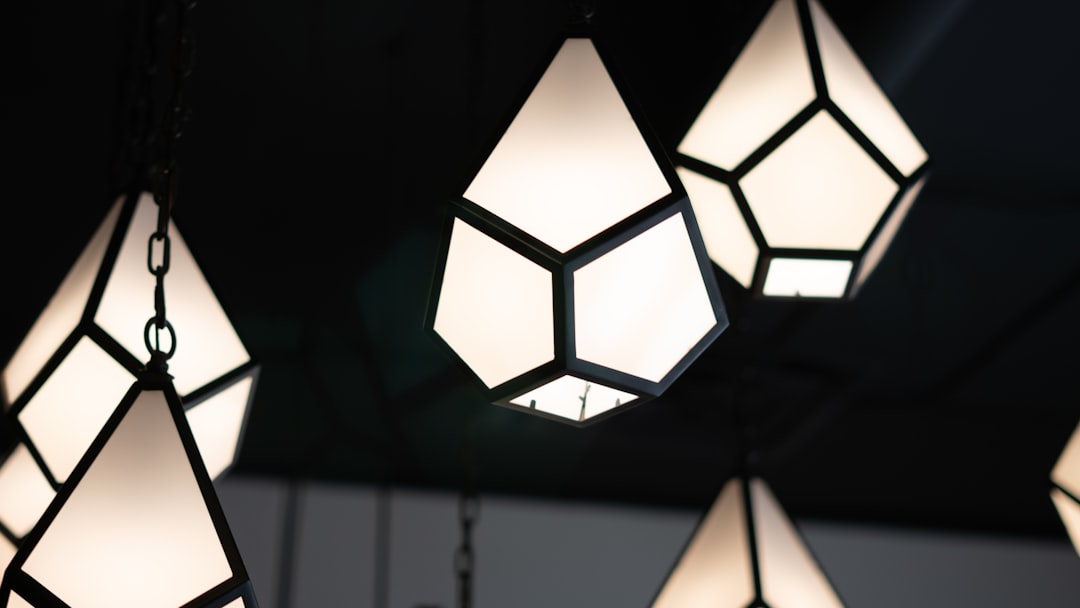
Geometric frame pendant lights are a distinct category of lighting fixtures. Their defining characteristic is an exposed skeletal structure, often comprising metal rods or bars, forming various polyhedra or abstract shapes. Unlike traditional shades that encapsulate the light source, these frames surround it, allowing for an unobstructed light emission and a visual emphasis on the fixture’s form. This design principle places them firmly within contemporary and minimalist aesthetics.
Evolution of Pendant Lighting
Pendant lighting has a history spanning centuries, evolving from simple oil lamps suspended by chains to complex electrified designs. Early forms prioritized function, providing focused illumination over tables or workspaces. The advent of electricity and mass manufacturing in the 19th and 20th centuries diversified designs significantly. The mid-20th century saw a rise in modernist aesthetics, where form began to follow function with an emphasis on clean lines and innovative materials. Geometric frame designs emerged from this movement, pushing the boundaries of traditional shade design by celebrating the structure itself. Architects and designers, influenced by constructivism and abstract art, began to incorporate exposed elements into their lighting, transforming fixtures from mere utilitarian objects into sculptural statements.
Design Principles and Materials
The core design principle of geometric frame pendant lights is the creation of a three-dimensional form through the arrangement of linear elements. Common shapes include cubes, tetrahedrons, dodecahedrons, and more complex, abstract configurations. The materials chosen for these frames are crucial to their aesthetic and durability.
Common Materials
- Steel: Often powder-coated in black, white, or metallic finishes, steel offers strength and a modern appearance. Its rigidity allows for sharp angles and precise forms.
- Aluminum: Lighter than steel, aluminum can be anodized in various colors and finishes. It is less prone to corrosion, making it suitable for areas with fluctuating humidity.
- Brass: Provides a warmer, more traditional, yet still contemporary, aesthetic. It patinas over time, developing a unique character.
- Copper: Similar to brass in its warmth and ability to develop a patina, copper offers a distinct reddish-brown hue.
- Wood: Less common but offers a natural, organic contrast to the often industrial look of metal frames. Used for specific design intentions, often in conjunction with metal elements.
Finish Options
Beyond the material itself, the finish significantly impacts the light’s visual presence. Matte finishes reduce glare and create a subdued, sophisticated look, while polished or brushed metals add a touch of reflectivity and visual interest. Color choices range from stark black and white, suitable for minimalist studios, to bold metallics that can serve as focal points. The internal finish of the frame, if any, can also subtly alter the light’s reflection and distribution.
Functional Considerations for Your Home Studio
Integrating any lighting fixture into a home studio demands a pragmatic approach. Beyond aesthetics, the functionality of geometric frame pendant lights in a workspace dedicated to creative output requires careful evaluation.
Illumination Quality and Distribution
The primary function of any studio light is to illuminate the workspace effectively. Geometric frame pendant lights, by their very nature, deliver light differently than shaded fixtures.
Direct vs. Diffused Light
Most geometric frame pendants emit direct, unadulterated light from the bulb. This can be beneficial for tasks requiring precise vision, as it minimizes diffusion and potential light loss. However, it can also lead to harsh shadows and glare if not properly managed. Some designs incorporate a diffuser within the geometric frame, or use frosted bulbs, to mitigate this. The transparency of the frame itself means light is not redirected or shaped by a traditional shade, necessitating careful bulb selection.
Bulb Selection
The choice of bulb is paramount. Since the bulb is often visible, its aesthetic and technical specifications are equally important.
- LED Bulbs: Highly efficient and long-lasting, LED bulbs are the standard. Choose LEDs with a high Color Rendering Index (CRI), preferably 90 or above, to ensure accurate color representation of your work.
- Color Temperature (Kelvin): For a studio, a neutral to cool white light (3500K-5000K) is often preferred for accuracy in visual tasks, mimicking natural daylight. Warmer temperatures (2700K-3000K) create a more relaxed ambiance but can distort color perception.
- Dimmability: Essential for a versatile studio. Dimmable bulbs, paired with a compatible dimmer switch, allow you to adjust the light intensity according to the task or time of day. This flexibility can alleviate eye strain and create different moods.
- Filament Styles: For aesthetic purposes, especially with exposed bulbs, vintage-style LED filament bulbs can add a decorative element, mimicking incandescent warmth while retaining LED efficiency.
Glare and Shadow Management
The open design of these lights, while visually striking, presents specific challenges regarding glare and shadows. Direct exposure to a bright light source can cause eye fatigue and discomfort, a significant concern in a studio where sustained focus is required.
Positioning and Height
Strategic placement is your primary tool in managing glare. Pendants should be positioned to illuminate your work surface without directly shining into your eyes when seated or standing at your usual workspace. Consider hanging them higher than you might instinctively, allowing the light to spread more broadly and reducing direct line-of-sight exposure to the bulb. Multiple, lower-wattage pendants can offer more even illumination than a single, high-wattage one, mimicking the spread of natural light through a grid.
Reflective Surfaces
Be mindful of highly reflective surfaces in your studio – monitors, glossy desk surfaces, or even shiny instrument finishes – as they can bounce light directly back, exacerbating glare. Matte finishes on workstations and equipment can significantly reduce this issue.
Aesthetic Integration within a Studio Environment
Beyond their functional attributes, geometric frame pendant lights serve as potent design elements. Their integration into your studio requires an understanding of how they interact with existing decor and how they contribute to the overall aesthetic.
Defining Your Studio’s Style
Before selecting a fixture, identify the prevailing style of your home studio. Geometric frame pendants are versatile but resonate most strongly with certain design sensibilities.
Modern and Minimalist Studios
These lights are a natural fit for modern and minimalist studios. Their clean lines, often monochromatic finishes, and emphasis on form align perfectly with an uncluttered, functional aesthetic. They can act as subtle accents or bold focal points without introducing visual noise. Think of them as architectural jewels, precise and understated.
Industrial Studios
In an industrial-themed studio, geometric frames, particularly those in raw steel, black, or distressed metal finishes, can complement exposed brick, metal shelving, and concrete elements. They echo the utilitarian beauty of factory lighting, but with a refined, contemporary twist. They become part of the machinery, elevated.
Eclectic and Contemporary Spaces
For more eclectic studios, these pendants can introduce a touch of modernism, creating a focal point that contrasts with more traditional or vintage elements. A brass frame, for instance, could bridge the gap between antique wooden furniture and sleek synthesizers. They act as a gravitational pull, grounding diverse elements. They are the punctuation mark in a complex sentence.
Scale and Proportion
The visual impact of a geometric pendant is heavily influenced by its size relative to your studio space and the surrounding furnishings. An undersized light will disappear, while an oversized one can overwhelm.
Room Size and Ceiling Height
In smaller studios, opt for more delicate, open designs that don’t visually clutter the space. For studios with high ceilings, larger or multiple pendants can be used to fill the vertical space effectively, drawing the eye upwards and reducing the feeling of emptiness. Consider the “rule of thumb” that the diameter of a light fixture should be approximately one-twelfth to one-tenth of the room’s length plus width, though this is a guideline, not a strict rule for pendant lights in a creative workspace.
Over Workstations
Above a primary workstation (desk, mixing console), the light should be large enough to provide adequate illumination but not so expansive that it obstructs views or feels imposing. Its visual weight should balance the equipment below it. Imagine it as a canopy, sheltering your creative endeavors.
Creating Visual Interest and Focal Points
A well-chosen geometric frame pendant can transcend mere functionality and become a significant design statement.
Solo Statement Pieces
A single, large, or unusually shaped geometric pendant can serve as a primary focal point, anchoring the room visually. Position it centrally or over a key workspace to draw attention. Its sculptural form commands respect.
Groupings and Arrangements
For larger studios or to create a more dynamic effect, consider grouping multiple pendants. Arranged at varying heights or in a linear fashion, they can create a constellation of light and form. This approach allows for distributing light more evenly while adding significant visual complexity. Think of them as individual stars forming a galaxy.
Installation and Safety Considerations
Proper installation is paramount for both the aesthetics and safety of your geometric frame pendant lights. If you are not comfortable with electrical work, it is always recommended to consult a qualified electrician.
Wiring and Electrical Requirements
Most geometric frame pendant lights are designed to be hardwired into an existing electrical ceiling box. Ensure your electrical system can handle the load.
Circuit Capacity
Verify that the circuit you intend to use has sufficient capacity for the new light fixture, especially if you are adding multiple pendants or if the circuit already handles other power-intensive studio equipment. Overloading a circuit can lead to tripped breakers or, in severe cases, electrical fires.
Grounding
All light fixtures should be properly grounded to prevent electrical shock. Modern homes typically have grounded wiring, but older homes may require an upgrade or the use of specific fixture types. Your safety is not negotiable.
Dimmer Compatibility
If you plan to use a dimmer, ensure that both the light fixture and the bulbs are “dimmable” rated. Use an LED-compatible dimmer switch for optimal performance and to prevent flickering or damage to LED bulbs.
Mounting and Support
Pendant lights, especially larger ones, require secure mounting to the ceiling structure.
Ceiling Box and Joists
The ceiling electrical box must be securely fastened to a ceiling joist or adequately supported by a brace designed for light fixtures. Do not simply attach a heavy fixture to drywall or plaster; it will not hold over time. The structural integrity of your ceiling is the foundation of your fixture’s safety.
Weight of the Fixture
Geometric frame pendants, particularly those made from substantial metal, can be heavier than anticipated. Always check the weight specifications of the fixture and ensure your mounting hardware and ceiling structure can safely support it. Account for the weight of the bulbs as well.
Code Compliance and Professional Installation
Local electrical codes exist to ensure safety. Familiarize yourself with the codes in your area, or, more reliably, hire a licensed electrician.
Local Building Codes
Ignorance of local building codes is not a defense in case of an incident. These codes specify requirements for wiring, junction boxes, grounding, and fixture types. An electrician will ensure your installation meets these standards.
Benefits of Professional Installation
While DIY installation can save money, a professional electrician guarantees that the wiring is correct, the fixture is securely mounted, and all safety standards are met. This peace of mind is invaluable, especially in a home studio where sensitive equipment and prolonged working hours are common. They are the keepers of current.
Maintenance and Longevity
To ensure your geometric frame pendant lights remain both functional and aesthetically pleasing in your home studio, regular maintenance is necessary. Their open design, while visually appealing, can sometimes collect dust and require more frequent cleaning than enclosed fixtures.
Regular Cleaning
Dust and debris accumulate on surfaces, and the intricate frames of these pendants can act as dust traps.
Dusting the Frame
A soft, dry cloth or a duster with electrostatic properties is ideal for routine dusting. For more tenacious dust, a slightly damp cloth can be used on non-electrical components, ensuring it is thoroughly dried afterwards. Avoid abrasive cleaners or harsh chemicals, as these can damage the finish of the metal or wood. Consider the frame as a sculpture that also happens to emit light; it deserves careful handling.
Cleaning the Bulbs
Even small amounts of dust on light bulbs can diminish their output and alter the quality of light. Ensure the fixture is turned off and the bulbs are cool before gently wiping them with a dry, soft cloth. Avoid touching the glass directly with bare hands, as oils can create hot spots and shorten bulb life.
Bulb Replacement
While LED bulbs have an extended lifespan, they will eventually need replacement.
Matching Specifications
When replacing bulbs, ensure the new ones match the wattage, base type, and ideally, the color temperature and CRI of the original or desired specifications. Consistency in lighting is crucial for accurate work in a studio.
Safety Precautions
Always turn off the power to the fixture at the circuit breaker before replacing bulbs. Allow bulbs to cool completely before handling. Use a stable ladder or step stool to reach the fixture safely. Your hands are your livelihood; protect them.
Addressing Wear and Tear
Over time, especially in environments with fluctuating temperature or humidity, materials can show signs of wear.
Inspecting Connections
Periodically check the connection points of the frame, especially if it’s a modular design. Tighten any loose screws or fasteners to prevent rattling or instability.
Finish Care
For metal finishes, a gentle metal polish designed for the specific material (e.g., brass cleaner for brass) can restore luster if desired, though some prefer the patina that naturally develops on certain metals. For painted finishes, touch-up paint may be available from the manufacturer if minor scratches occur.
By understanding and applying these principles, you can effectively integrate geometric frame pendant lights into your home studio, enhancing both its functionality and its aesthetic appeal. They are not merely objects that dispense light; they are contributors to the very atmosphere of your creative sanctuary. Choose wisely, install carefully, and maintain consistently, and these fixtures will serve as enduring elements in your workspace.