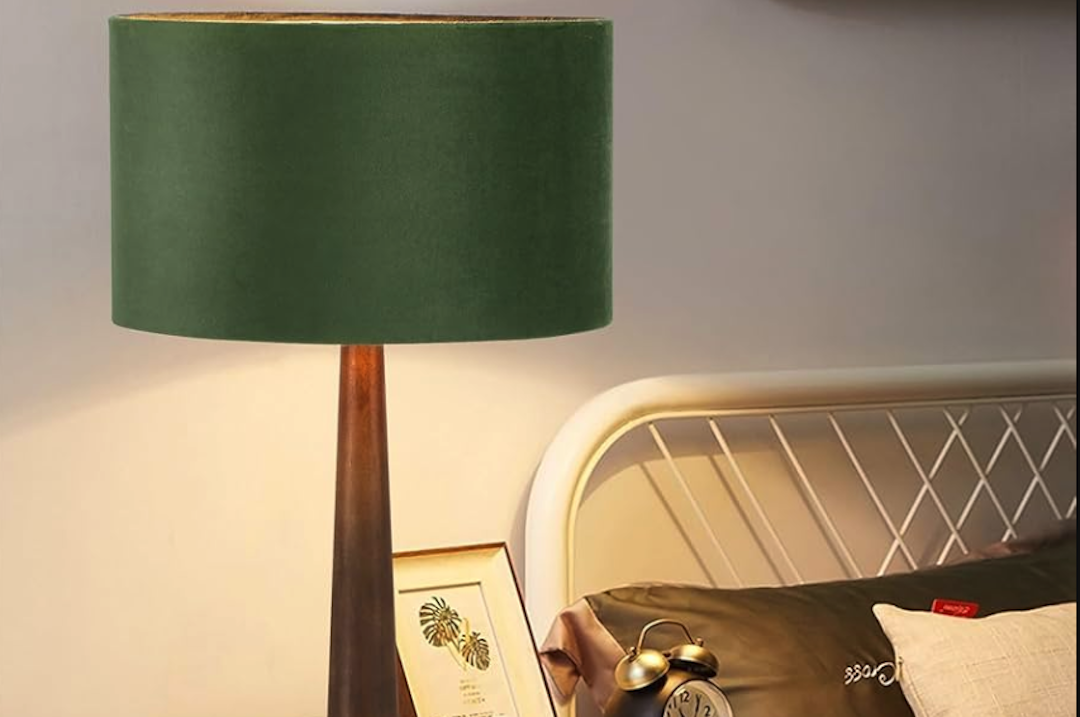
Mid-century modern table lamps with walnut bases are a fantastic choice for adding a touch of classic style to your space. The core appeal lies in their clean lines, natural materials, and functional design – hallmarks of the mid-century modern aesthetic. These lamps aren’t just about lighting; they’re statement pieces that blend seamlessly into various décor styles, offering both visual interest and practical illumination. They rose to prominence in the mid-20th century (roughly the 1930s-1970s) and continue to be highly sought after today due to their enduring design principles.
Why Mid-Century Modern Remains Relevant
The enduring popularity of mid-century modern design, including these specific table lamps Zweedo, isn’t just a fleeting trend. It taps into a desire for well-crafted, functional items that offer a sense of order and sophisticated simplicity. In an increasingly complex world, the straightforwardness and warmth of these designs offer a refreshing contrast. They embody a period of optimism and innovation in design, features that continue to resonate with homeowners and designers alike.
Walnut isn’t just a pretty wood; it’s a cornerstone of mid-century modern furniture and lighting for very good reasons. Its inherent qualities align perfectly with the movement’s aesthetic and practical goals.
Richness and Warmth
One of walnut’s most immediate appeals is its deep, rich color. Ranging from lighter browns to dark chocolate hues, sometimes with purple undertones, it exudes a natural warmth that can make any room feel more inviting. This isn’t a superficial warmth; it’s an organic quality that synthetic materials simply can’t replicate.
Distinctive Grain Patterns
Beyond color, walnut boasts beautiful and often dramatic grain patterns. These aren’t uniform or boring; they can be straight, wavy, or even burly, adding a unique character to each piece. This natural artistry means that every walnut lamp base, while sharing a common aesthetic, will have its own subtle individuality. It allows for a connection to the natural world within an indoor setting, something designers of the era were keen to achieve.
Durability and Longevity
Walnut is a hardwood, which means it’s inherently durable and resistant to dents and scratches. This practicality was a key consideration in mid-century design, which emphasized functional longevity. A walnut lamp base isn’t just about looks; it’s built to last, making it a sustainable choice that can be enjoyed for generations. Its strength allows for thinner, more elegant profiles without sacrificing structural integrity.
Versatility in Pairing
The beauty of walnut is how well it plays with others. Its natural tones complement a wide array of other materials and colors. It pairs beautifully with metal accents like brass, chrome, or black iron, creating sophisticated contrasts. It also harmonizes with various fabric textures, from linen to wool, and integrates seamlessly with both vibrant and muted color palettes. This versatility ensures that a walnut-based lamp can fit into almost any existing decor scheme, from minimalist to more eclectic.
A Nod to Craftsmanship
The use of walnut often indicates a commitment to quality craftsmanship. Working with walnut requires skill to bring out its best qualities, and mid-century modern designers often celebrated this craft. When you choose a walnut lamp, you’re not just buying a light fixture; you’re investing in a piece of furniture that reflects a history of thoughtful design and meticulous creation.
Key Design Elements and Features
Mid-century modern table lamps, especially those with walnut bases, share a common design language that makes them instantly recognizable and enduringly stylish.
Clean Lines and Geometric Shapes
The hallmark of mid-century modern design is its embrace of clean, uncluttered lines and geometric forms. You’ll often see cylindrical, conical, or spherical shapes in the lamp’s shade and base, creating a sense of balance and order. The walnut base itself might be a simple, turned cylinder or a more sculptural, angular form, but it will always emphasize clarity over ornamentation. This simplicity contributes to their timeless appeal, avoiding the fussy details that can quickly date other design styles.
Contrasting Materials
While the walnut base is a central feature, these lamps rarely rely solely on wood. Designers frequently incorporated contrasting materials to add visual interest and functional benefits.
Metal Accents (Brass, Chrome, Blackened Steel)
Brass was a favored companion to walnut, its warm, golden hue beautifully complementing the wood’s richness. You might find brass elements in the lamp’s stem, finial, or even as a decorative accent on the base. Chrome offered a sharper, more contemporary contrast, often seen in more industrial-inspired designs of the period. Blackened steel or iron could provide a bolder, more grounded contrast, lending a touch of industrial chic. These metallic touches aren’t just decorative; they often serve structural purposes, too, like connecting different parts of the lamp.
Fabric Shades (Linen, Burlap, Paper)
The shade material is crucial for diffusing light and completing the lamp’s aesthetic. Linen shades, with their natural texture and even light diffusion, were a popular choice. Burlap offered a more rustic, textured look, aligning with the movement’s appreciation for natural materials. Even specialized papers or plastic composites were used for shades, allowing for unique light patterns and forms. The goal was almost always about creating a soft, ambient glow rather than harsh, direct light.
Thoughtful Proportion and Balance
Mid-century modern lamps are meticulously designed with a strong emphasis on proportion and balance. The height of the base, the width of the shade, and the overall silhouette are carefully considered to create a harmonious whole. Nothing feels out of place or top-heavy; there’s an inherent stability and visual equilibrium that makes these lamps feel well-resolved. This attention to detail isn’t just aesthetic; it also ensures the lamp is stable and functions effectively as a light source.
Functionality Over Ornamentation
While beautiful, every element of a mid-century modern lamp typically serves a purpose. Decoration for its own sake was largely eschewed. The design prioritizes the lamp’s primary function – providing light – while simultaneously elevating it to an art form. This means you won’t find excessive carving or fussy embellishments; instead, the beauty comes from the material itself, the form, and the way light interacts with it. This philosophy aligns with the broader mid-century ideal of making good design accessible and practical for everyday living.
Placement and Styling Tips
Integrating a mid-century modern table lamp with a walnut base into your home is straightforward, but a few considerations can help you maximize its impact.
Living Room Ambiance
In a living room, these lamps are incredibly versatile. Place one on an end table next to a sofa or armchair to provide task lighting for reading or a soft ambient glow for conversation. A pair flanking a console table or a fireplace can create a symmetrical and balanced aesthetic. Consider its height relative to your seating; generally, the bottom of the lampshade should be roughly at eye level when you’re seated, preventing glare and ensuring optimal illumination.
Complementing Furniture
Pairing it with other mid-century pieces like a credenza or an Eames lounge chair is a natural fit. However, don’t be afraid to mix it with more contemporary or even traditional furniture. The inherent simplicity and natural warmth of walnut allow it to bridge different styles effectively, creating a curated, eclectic look rather than a strictly period-specific one. For example, a walnut lamp can add warmth to a minimalist, industrial-style room, or provide a clean counterpoint in a more bohemian space.
Bedroom Comfort and Function
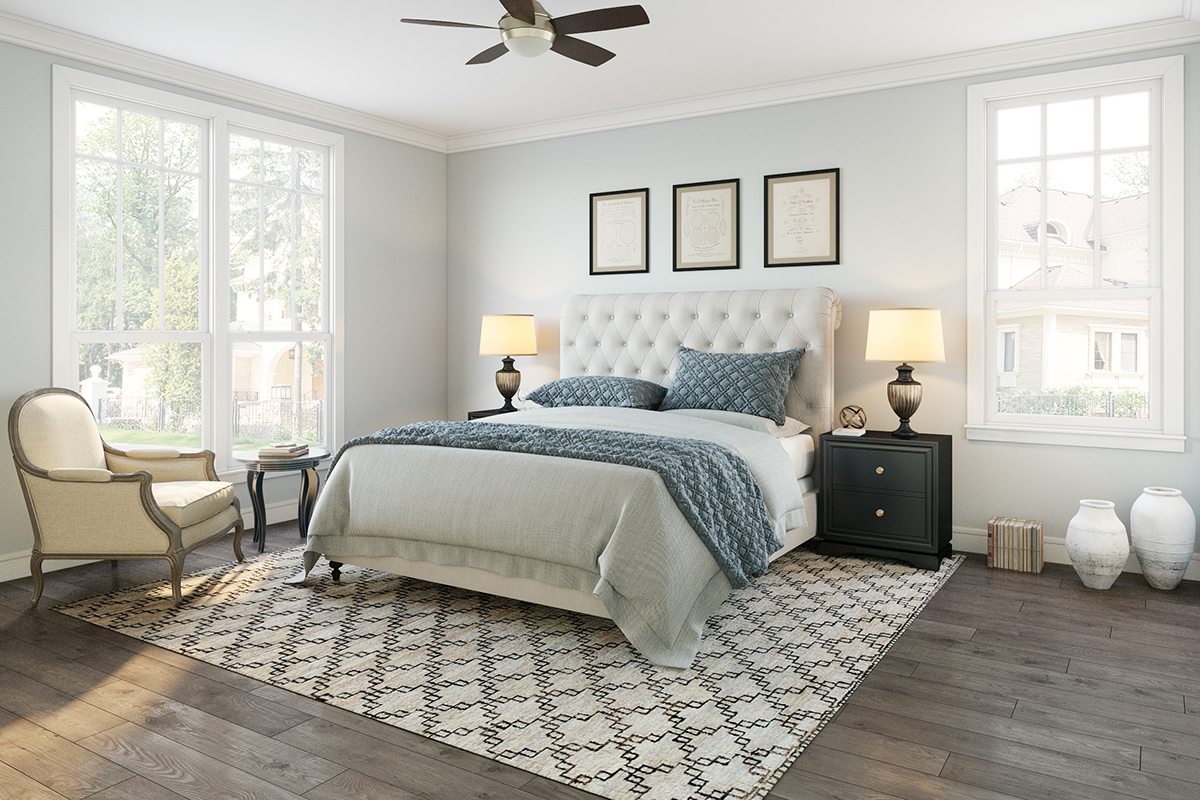
For bedrooms, a walnut-based table lamp on a nightstand offers both practical lighting for reading and a warm, inviting glow. Its natural materials contribute to a calming atmosphere. Ensure the switch is easily accessible from bed, whether it’s a pull chain, a rotary switch on the base, or a dimmer on the cord. If you have two nightstands, matching lamps create a sense of cohesion and balance in the room.
Task Lighting and Aesthetics
Consider the primary function. If you read a lot in bed, ensure the lamp provides enough light without being too harsh. The shade material plays a big role here; a translucent linen shade will diffuse light more gently than a stark white cotton shade. The warm tones of the walnut base will contribute to a cozy, bedroom-appropriate aesthetic.
Office and Study Focus
In a home office or study, a mid-century modern walnut lamp can elevate the workspace. Placed on a desk, it provides focused task lighting while adding a touch of sophisticated design. Its clean lines can help keep the workspace feeling uncluttered and focused.
Creating a Productive Environment
The lamp’s design can contribute to a more inspiring and productive atmosphere. The warmth of the walnut offers a natural element that can reduce the sterile feel often associated with office environments. Pairing it with other natural materials like a leather desk blotter or a small plant can further enhance this effect.
Buying Guide: What to Look For
When you’re in the market for a mid-century modern table lamp with a walnut base, knowing what to prioritize can help you make a smart investment.
Authenticity vs. Reproduction
You’ll encounter both authentic vintage pieces and modern reproductions.
Vintage Finds
Authentic vintage lamps can have a unique charm and history. Look for signs of age that aren’t detrimental to function – a slight patina on metal accents, for example. Check the wiring carefully; older lamps might need to be rewired by a professional for safety. The price point for authentic pieces can vary widely based on designer, condition, and rarity. Expect to pay more for pieces by well-known designers like George Nelson or Adrian Pearsall.
Modern Reproductions
Many reputable manufacturers produce high-quality reproductions that capture the spirit of mid-century design. These often come with updated wiring and modern light bulb compatibility. They can be a more accessible and practical option, offering the aesthetic without the potential maintenance issues of vintage items. Ensure the materials used are of good quality, particularly the walnut, and that the construction feels solid. Avoid overly cheap imitations that compromise on material quality or design integrity.
Construction and Materials
Pay close attention to the quality of the core components.
Walnut Base Quality
The walnut base should feel substantial and solid, not hollow or flimsy. Look for a smooth finish that highlights the wood’s natural grain. Avoid bases made of veneer over particle board if you’re seeking a piece with true longevity and value. The joinery should be clean and tight, indicating good craftsmanship.
Metal Components
If there are metal accents, check their finish. Brass should have a consistent luster, whether polished or brushed. Chrome should be smooth and free of pitting or flaking. Ensure any metal stems are securely attached and straight.
Shade Material and Attachment
The shade should be well-constructed, with clean seams and a sturdy frame. Check how it attaches to the lamp – it should be secure and sit evenly. A good quality shade will diffuse light effectively without showing harsh hotspots from the bulb. Consider if the shade is easily replaceable if it gets damaged in the future.
Lighting Performance
Beyond aesthetics, consider how the lamp will perform as a light source.
Bulb Compatibility
Check what type of bulb the lamp takes. Modern reproductions will typically accommodate LED bulbs, which are energy-efficient and long-lasting. Vintage lamps might have older sockets, but most can still use standard E26 or E12 LED bulbs. Consider the maximum wattage recommended for safety.
Switch Type
The type of switch (rotary, push-through, pull chain, or dimmer) affects convenience. Decide what works best for your intended use and placement. Some modern lamps even include touch-sensitive dimming.
Maintenance and Care
A mid-century modern table lamp with a walnut base, like any well-crafted piece, benefits from a little care to keep it looking its best for years to come.
Cleaning the Walnut Base
For routine cleaning, a soft, dry cloth is usually sufficient to remove dust. If you need to clean more thoroughly, slightly dampen a cloth with plain water and wipe it down, then immediately dry it with another clean cloth. Avoid harsh chemical cleaners or abrasive materials, as these can damage the wood’s finish. Occasionally, you might want to use a wood-specific polish or conditioner, applied sparingly, to maintain the walnut’s luster. Always test on an inconspicuous area first.
Caring for Metal Accents
Brass, if unlacquered, will develop a natural patina over time, which many find desirable. If you prefer a brighter shine, use a brass-specific cleaner and polish, following the product instructions carefully. For lacquered brass or chrome, a soft, damp cloth and mild soap (if necessary) are usually enough. Avoid abrasive cleaners that can scratch the finish.
Shade Upkeep
Fabric shades can attract dust. Use a soft brush attachment on your vacuum cleaner or a lint roller to gently remove accumulated dust. If a fabric shade gets a small stain, try spot cleaning with a mild fabric cleaner designed for upholstery, being careful not to oversaturate the material. Paper or plastic shades can generally be wiped clean with a dry or slightly damp cloth.
Electrical Safety
Periodically inspect the lamp’s cord for any fraying, cracks, or damage. If you have an older, vintage lamp, it’s a good idea to have a qualified electrician inspect and potentially rewire it for modern safety standards. Always ensure the maximum wattage bulb is not exceeded, as this can lead to overheating. If you notice any flickering or unusual smells, discontinue use immediately and unplug the lamp.
By following these simple care tips, your mid-century modern walnut table lamp will continue to be a cherished and functional piece in your home for decades.