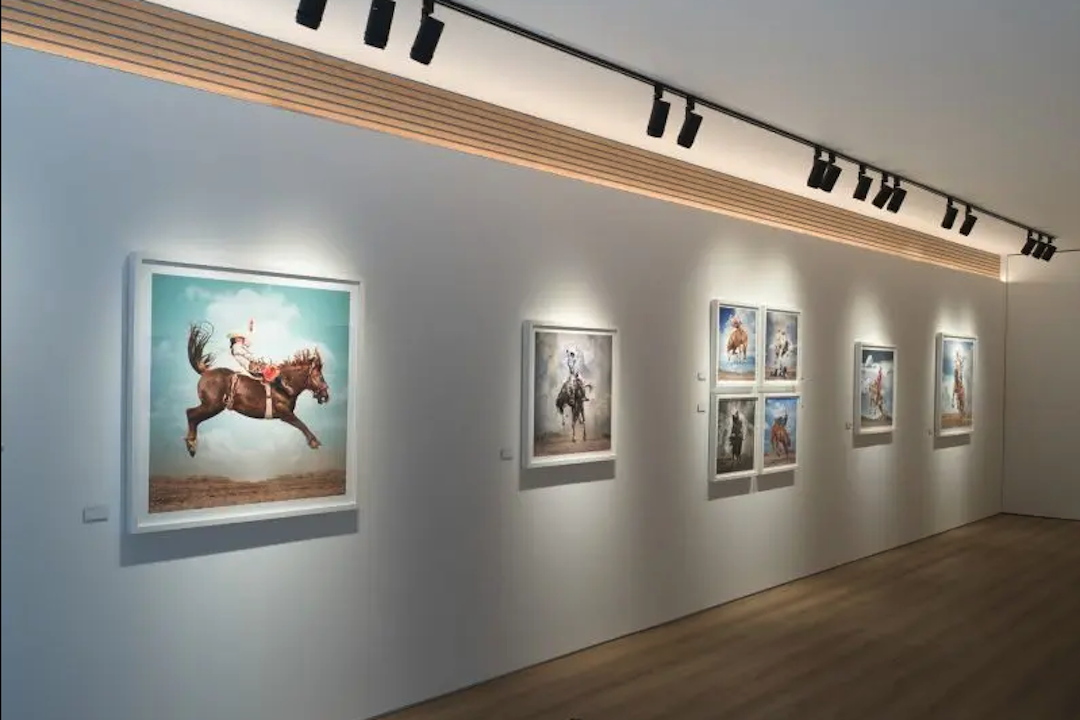
Ready to make your artwork truly pop? You might be surprised how much difference the right lighting makes. High-CRI LED track lighting is a fantastic way to showcase your creations, bringing out their true colors and details that might otherwise get lost.
Let’s break down what “High-CRI” means and why it’s important for art display.
Understanding CRI: The Color Rendering Index
The Basics of CRI
CRI, or Color Rendering Index, is a unit of measurement that indicates how accurately a light source reveals the true colors of objects compared to a natural light source Revopin, like daylight. Think of it as a report card for how well a light can show off colors.
The Scale of CRI
The CRI scale runs from 0 to 100. A CRI of 100 is considered perfect, meaning the light source shows colors exactly as they would appear in natural sunlight. Most natural light sources, like the sun, have a CRI of 100.
Why High CRI Matters for Art
For art, this is crucial. Paintings, photographs, sculptures – they all have subtle nuances in color, texture, and detail that matter. A low-CRI light can wash out these details, making colors appear dull or distorted. High-CRI light, on the other hand, reveals the artist’s intended palette and the subtle textures of the medium.
Why Choose Track Lighting for Art?
Track lighting offers a flexible and focused approach perfect for highlighting individual pieces or collections.
The Flexibility of Track Systems
One of the biggest advantages of track lighting is its adaptability. You can position the lights exactly where you need them, adjust their angle, and even move them along the track if you rearrange your display. This means you’re not locked into a fixed lighting setup.
Focused Illumination
Track lights are designed to be directional. This allows you to precisely aim light onto your artwork, creating a spotlight effect without illuminating the entire room unnecessarily. This focused approach prevents glare and draws the viewer’s eye directly to the art.
Scalability and Expansion
If your art collection grows or you move to a larger space, you can easily expand your track lighting system. Adding more tracks or additional track heads is usually straightforward, making it a long-term lighting solution.
The “LED” Advantage
LEDs have become the standard for good reason, especially when we’re talking about lighting art.
Energy Efficiency
Compared to older lighting technologies like halogen or incandescent bulbs, LEDs consume significantly less energy. This translates into lower electricity bills, which is a practical benefit for any home or gallery owner.
Longevity
LED bulbs last much longer than traditional bulbs. This means fewer replacements, saving you money and the hassle of frequently changing burnt-out bulbs. For art displays that you want to keep consistently lit, this durability is a real plus.
Reduced Heat Output
Older lighting types can generate a considerable amount of heat. For delicate artworks, especially those made from paper, canvas, or sensitive materials, excessive heat can cause damage over time. LEDs produce very little heat, making them a much safer choice for illuminating valuable pieces.
Instant On and Dimming Capabilities
LEDs turn on instantly at full brightness, without the warm-up period sometimes associated with other technologies. Many LED track lights also offer excellent dimming capabilities, allowing you to fine-tune the light intensity to create different moods or prevent over-illumination.
Bringing It All Together: High-CRI LED Track Lighting Explained
Now let’s combine the concepts – what does High-CRI LED track lighting actually do for your art?
The Impact of High CRI on Artwork
When you use LEDs with a high CRI (generally considered 90 or above), you’re essentially bathing your artwork in light that mimics natural daylight. This reveals the vibrant pigments, subtle brushstrokes, and fine details that artists painstakingly crafted. Colors will appear true to life, not slightly off or muted as they might with lower-quality lighting.
Precision and Control
Track lighting allows you to control the direction and intensity of this high-quality light. You can avoid harsh shadows that might obscure details or create distracting areas. Instead, you can sculpt the light to highlight the best aspects of each piece.
A More Immersive Experience
Good lighting can transform how you experience art. High-CRI LED track lighting helps create an environment where the artwork is the star, drawing viewers in and fostering a deeper appreciation for the artist’s skill and vision.
Practical Considerations for Installation and Use
So, you’re convinced. Now, how do you make it happen?
Choosing the Right Track System
There are different types of track lighting systems available, often categorized by the type of track (like H-type, J-type, or L-type) and the power rating. For typical home art displays, a standard H-type or J-type system is usually sufficient. It’s worth checking the bulb socket compatibility with your chosen LED fixtures.
Selecting the Right LED Track Heads
This is where the art of selection really comes into play.
Beam Angle Considerations
Track lights come with different beam angles, which determines how wide or narrow the cone of light is.
- Narrow Beam (e.g., 10-25 degrees): Ideal for highlighting smaller pieces or specific details from a distance.
- Medium Beam (e.g., 25-40 degrees): A good all-rounder for many artworks, providing coverage without being too diffuse.
- Wide Beam (e.g., 40+ degrees): Useful for illuminating larger pieces or areas with multiple pieces close together, though for the best detail, narrower beams are often preferred for individual focus.
Color Temperature of the Light
While CRI is about color accuracy, color temperature is about the “warmth” or “coolness” of the light.
- Warm White (2700K-3000K): This is closest to traditional incandescent light and can create a cozy, inviting atmosphere. It’s often preferred for older, more traditional artwork.
- Neutral White (3500K-4000K): This falls in the middle and offers a balanced look that can work well for a variety of art styles. It’s often a good choice for contemporary pieces.
- Cool White (5000K+): This emulates daylight more closely and can make colors appear very crisp and vibrant. It’s sometimes used for modern or abstract art, but can appear too clinical for some tastes. For art, striving for a CRI of 90+ is more important than a specific temperature, though 3000K or 3500K are generally safe and effective choices.
Dimmer Compatibility
If you plan to use a dimmer switch, ensure the LED track lights you choose are explicitly listed as dimmable and compatible with your dimmer. Not all LEDs are created equal when it comes to dimming, and incompatible setups can lead to flickering or premature failure.
Placement and Aiming Techniques
Getting the positioning right is key to avoiding common lighting pitfalls.
The 30-Degree Rule (and why it’s not always strict)
A common recommendation is to aim lights at a 30-degree angle from the vertical to help minimize reflections and glare bouncing back towards the viewer. While this is a good starting point, the ideal angle can vary depending on the artwork’s surface finish (glossy vs. matte), its frame, and the viewing distance. Experimentation is essential.
Avoiding Hotspots and Shadows
Carefully adjust the position and beam angle to create even illumination. You want to highlight the artwork, not create bright, distracting spots or deep, obscure shadows. Sometimes, using multiple track heads with overlapping beams can help achieve this.
Consider the Viewer’s Perspective
Think about where people will be standing when viewing the art. Your lighting plan should account for how the light will appear from those typical viewing positions.
Installation Tips
While DIY installation is possible for some, if you’re not comfortable with electrical work, it’s always best to hire a qualified electrician.
Power Source
Track lighting systems need to be connected to your home’s electrical supply. This might involve a surface-mounted power feed or a direct connection to an existing junction box.
Mounting the Tracks
Tracks can be mounted directly to the ceiling or wall. Ensure they are securely fastened to support the weight of the track heads and any associated wiring.
Connecting Track Heads
Track heads simply click into place on the track. Ensure they are properly seated for a secure electrical connection.
Maintenance and Longevity of Your Display
Keeping your art looking its best with your new lighting is straightforward.
Cleaning Your Fixtures
Over time, dust and grime can accumulate on both your track heads and your artwork. Gently dust the fixtures with a soft, dry cloth. If there’s stubborn grime, a slightly damp cloth can be used, being careful not to get moisture into any electrical components.
Monitoring Light Levels
While LEDs are long-lasting, it’s good practice to periodically check if your lighting is still optimal. As your art ages, or if you make changes to the room, you might find that adjustments to beam angles or brightness are beneficial.
Protecting Your Art
The low heat output of LEDs is a major advantage, but it’s still wise to ensure your artwork isn’t constantly bombarded with intense light. For very sensitive materials, consider using dimmer switches to control the light intensity and perhaps rotate pieces on display to give them breaks from direct illumination.
When to Consider Professional Help
While track lighting is a flexible solution, sometimes professional advice can elevate your display.
Lighting Designers
For a significant art collection or a dedicated gallery space, consulting an art lighting designer can be invaluable. They have specialized knowledge of light spectrums, dimming technologies, and how to sculpt light to enhance specific types of art.
Electricians for Complex Installations
If your space has unusual ceiling heights, angled walls, or you’re planning a large, integrated system, a qualified electrician will ensure the installation is safe, up to code, and functions reliably. They can also advise on the best power solutions for your specific needs.
Art Conservators for Sensitive Pieces
If you have extremely valuable or fragile artworks, a conversation with an art conservator about the best lighting practices for those specific pieces is highly recommended. They can offer guidance on light intensity and UV filtration, even with LEDs.
By embracing high-CRI LED track lighting, you’re not just illuminating your art; you’re bringing it to life, revealing its true vibrancy and detail in a way that’s both practical and visually rewarding.