Here’s the lowdown on anodized aluminum ultra-slim linear lights for your office.
Anodized Aluminum Ultra-Slim Linear Lights: Your Office Lighting Upgrade
So, you’re looking to give your office lighting a refresh, and you’ve stumbled upon “anodized aluminum ultra-slim linear lights Zeveau.” What are these things, and are they actually worth considering for your workspace? In a nutshell, they’re a modern, sleek, and efficient lighting solution that combines the durability and aesthetics of anodized aluminum with a minimalist, low-profile design. They offer excellent light quality, energy savings, and a sophisticated look that can dramatically improve the feel and functionality of your office environment. Think less harsh glare, more consistent illumination, and a workspace that feels both professional and inviting. Let’s dive into why these lights might just be the smart choice for your next office lighting project.
When we talk about “anodized aluminum ultra-slim linear lights,” we’re really looking at a combination of material science and design innovation. It’s not just about looking good; there are tangible benefits that contribute to a better office environment.
Durability That Lasts: The Power of Anodized Aluminum
Anodizing isn’t just a fancy word for coloring aluminum. It’s an electrochemical process that converts the metal’s surface into a protective oxide layer. This layer is integral to the aluminum itself, not a coating that can peel or flake.
- Corrosion Resistance: In an office setting, while we might not be dealing with salty sea air, there are still environmental factors that can affect materials over time. Anodized aluminum is significantly more resistant to corrosion and wear and tear than untreated aluminum or other materials. This means your light fixtures will look good for much longer, even with regular use and cleaning.
- Scratch and Abrasion Resistance: Think about the surfaces that get touched and bumped in an office – especially around light fixtures that might be near entryways or commonly used pathways. The hard oxide layer on anodized aluminum makes it much more resistant to scratches and dents, helping to maintain a pristine appearance. This is crucial for maintaining a professional and well-maintained office aesthetic.
- Color Stability: The anodizing process allows for a variety of colors to be introduced, often with a metallic sheen. Importantly, these colors are highly stable and resistant to fading from UV light exposure. This means the intended look of your lighting won’t degrade over time, ensuring your design vision remains intact.
The “Ultra-Slim” Factor: More Than Just a Pretty Face
The “ultra-slim” aspect of these linear lights isn’t just about aesthetics; it has practical implications for installation and the overall feel of your office space.
- Discreet Integration: Their low profile means they can be mounted in ways that are far less obtrusive than traditional fluorescent tube fixtures or bulkier alternatives. They can be seamlessly integrated into ceilings, walls, or even furniture without dominating the space. This allows the architecture and design of the office to take center stage, with the lighting acting as a supportive element.
- Reduced Visual Clutter: In open-plan offices or minimalist designs, visual clutter can be a significant distraction. Ultra-slim fixtures contribute to a cleaner, more organized visual field. This can lead to a more focused and productive work environment.
- Installation Versatility: Their slender form factor often makes them easier to install in tight or challenging spaces where larger fixtures wouldn’t fit. Whether you’re retrofitting an older building or designing a new space, the flexibility of ultra-slim lights can be a major advantage.
Illuminating Your Workspace: Light Quality and Performance
The primary function of any office lighting is, of course, to provide adequate and effective illumination. Anodized aluminum ultra-slim linear lights excel in this area, offering several key performance benefits.
Consistent and Even Illumination
One of the biggest complaints about older office lighting is the harshness and the appearance of “hot spots” or uneven light distribution. Linear designs, especially when paired with good diffusion, are designed to combat this.
- Reduced Glare: Modern linear lights often incorporate diffusers – the milky or frosted covers that soften the light. In combination with an optimized LED chip layout and the linear form factor, this significantly reduces direct glare, which is a major cause of eye strain and headaches. This is particularly important for tasks involving computer screens.
- Uniform Light Distribution: The length of the linear fixture allows for light to be spread over a wider area, creating a more uniform and consistent level of illumination across desks and workspaces. This means fewer dark corners or overly bright spots, contributing to a more comfortable and productive atmosphere.
- Optimized for Task Lighting: When positioned correctly, these lights provide excellent illumination for specific tasks. The even spread is ideal for desk work, reading, and intricate hand-eye coordination tasks, ensuring workers have the light they need without suffering from discomfort.
Energy Efficiency: A Smart Investment
This is where the “LED” part of the equation comes into play, and it’s a significant draw for businesses looking to manage operational costs.
- Lower Power Consumption: LEDs are incredibly energy efficient compared to older lighting technologies like incandescent or even fluorescent bulbs. This means you’ll be using significantly less electricity to achieve the same or even better levels of brightness.
- Reduced Heat Output: LEDs generate much less heat than traditional bulbs. This has a dual benefit: it reduces the load on your air conditioning system, leading to further energy savings, and it contributes to a more comfortable ambient temperature in the office.
- Longer Lifespan: LEDs have an exceptionally long operational lifespan, often lasting tens of thousands of hours. This dramatically reduces the frequency of bulb replacements, saving on materials, labor, and the disruption associated with maintenance. Over the life of the fixture, this translates into substantial cost savings.
Design Flexibility and Aesthetic Appeal
Beyond pure functionality, the way lighting influences the look and feel of an office is critical. Anodized aluminum ultra-slim linear lights offer a sophisticated and adaptable aesthetic.
Integrating with Modern Office Design
These lights are made for contemporary workspaces. Their minimalist design complements various interior design styles.
- Clean Lines and Minimalism: The slim profile naturally lends itself to minimalist aesthetics, where clean lines and an uncluttered look are prioritized. They contribute to a sense of order and spaciousness.
- Architectural Integration: They can be seamlessly integrated into suspended ceilings, recessed into drywall, or even used as surface-mounted elements without appearing bulky or out of place. Some can even be pendant-mounted for a distinct designer look.
- Customizable Configurations: The linear nature allows for creative arrangements. You can use individual fixtures, run them end-to-end for continuous illumination, or create patterns to define specific zones within an open-plan office.
The Anodized Finish: A Touch of Refinement
The anodized aluminum finish itself offers more than just durability; it adds a refined aesthetic touch.
- Subtle Metallic Sheen: Unlike painted finishes that can look flat or cheap, anodizing often imparts a subtle, sophisticated metallic sheen that reflects light in an appealing way. This adds a premium feel to the lighting fixtures.
- Wide Range of Colors: While natural aluminum is common, anodizing allows for colors like black, bronze, white, and even brushed finishes. This gives designers and business owners options to match or contrast with their interior color palettes.
- Consistent Color: The anodizing process ensures a uniform and consistent color across the entire surface of the fixture, avoiding any variations that might be seen with other finishing methods.
Installation and Practical Considerations
While the sleekness is appealing, understanding the practicalities of installation is key to choosing the right lighting.
Mounting Options: Where Can They Go?
The versatility of these lights means they can be installed in a number of ways, depending on your ceiling type and design goals.
- Recessed Mounting: This is a very popular option for a flush, integrated look. The fixture sits within a cutout in the ceiling, providing a clean finish with no protruding parts. This is ideal for new construction or major renovations where ceiling grids can be adapted.
- Surface Mounting: For situations where recessing isn’t feasible, especially in older buildings or concrete ceilings, surface mounting is an option. Specialized mounting brackets allow the slim fixtures to be attached directly to the ceiling or wall. While slightly more visible, the slim profile keeps these from looking obtrusive.
- Suspended/Pendant Mounting: For a more dramatic or decorative effect, many ultra-slim linear lights can be suspended from the ceiling using cables or rods. This allows them to be positioned at specific heights and can be used to create distinct lighting channels or sculptural elements within a space. This is great for creating focal points or defining areas like reception desks or collaboration zones.
- Wall Mounting: Some linear fixtures are designed for wall-to-wall illumination or to provide ambient accent light. This can be particularly effective in hallways, meeting rooms, or as an alternative to traditional wall sconces.
Wiring and Power Considerations
Modern LED linear lights are designed with efficiency in mind, but understanding their power needs is still important.
- Low Wattage, High Output: Despite their sleek design, they provide substantial light. Their low wattage means they can often be integrated into existing electrical circuits, provided the total load is within capacity. However, for large installations, a review of the electrical plan will likely be necessary.
- Driver Integration: Most LED lights require a driver (also known as a power supply) to convert AC power to the DC power LEDs need. These drivers are usually integrated into the fixture or are separate, compact units that can be housed within the junction box or concealed above the ceiling.
- Dimmability Options: Many ultra-slim linear lights come with dimmable options. This is a fantastic feature for offices, allowing you to adjust the light levels throughout the day or for different activities in a room. Ensuring compatibility with your chosen dimmer switch is crucial.
- Ease of Connection: For continuous runs, these fixtures often have simple plug-and-play connectors, making it easier for electricians to link multiple units together without complex wiring for each individual fixture.
When to Choose Anodized Aluminum Ultra-Slim Linear Lights
So, whose office benefits most from this type of lighting? It’s not a one-size-fits-all solution, but there are clear scenarios where they shine (pun intended).
Perfect for Modern and Minimalist Spaces
If your office design leans towards contemporary, minimalist, or industrial aesthetics, these lights are a natural fit.
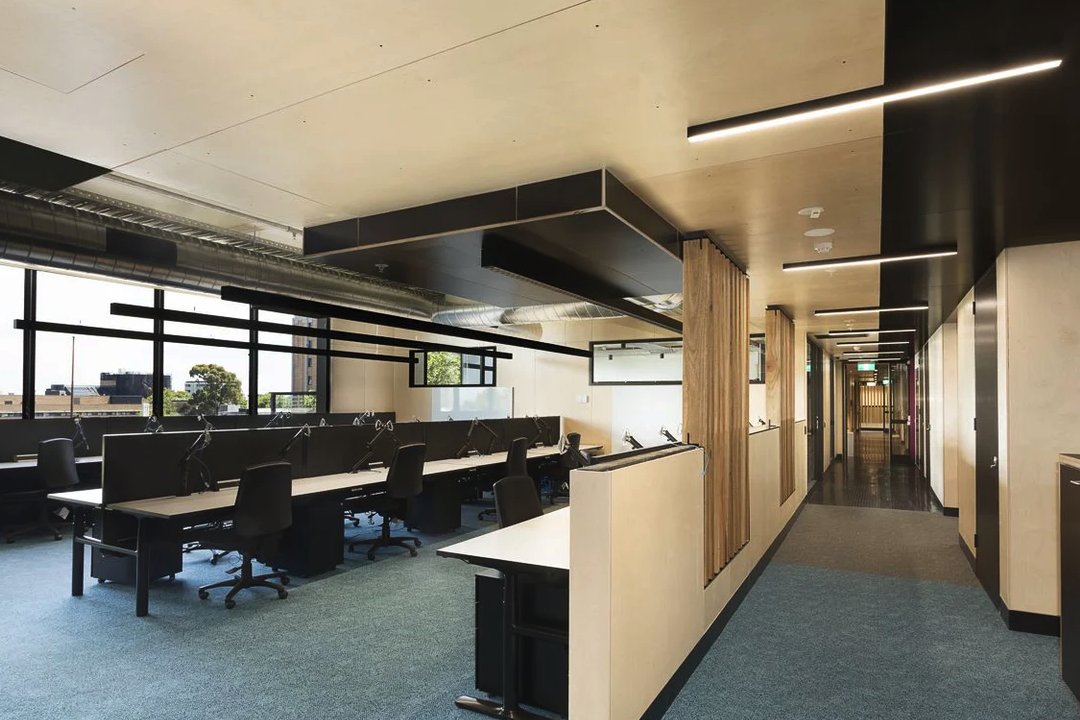
- Open-Plan Offices: The ability to create clean, unbroken lines of light is perfect for large open spaces. They can guide the eye, define pathways, and provide consistent illumination without creating a cluttered visual effect.
- Executive Offices and Boardrooms: The sophistication and clean lines convey professionalism and attention to detail. Dimmable options allow for mood setting during presentations or formal meetings.
- Creative Agencies and Tech Companies: These sectors often embrace modern, sleek designs, and the unobtrusive nature of these lights complements that.
- Retail and Hospitality (in office areas): If your office is part of a larger retail or hospitality venue, maintaining a consistent, high-end aesthetic throughout extends to the back-of-house and administrative areas.
Where Continuous Illumination is Key
Any space where you need consistent light across a wide area will benefit.
- Workstations and Desks: As mentioned, the even distribution reduces eye strain and improves focus for individuals working at their desks.
- Corridors and Pathways: Running these lights along hallways provides excellent wayfinding and safety without visual distraction.
- Meeting Rooms and Presentation Areas: Consistent, glare-free illumination is crucial for visibility of whiteboards, projection screens, and people in the room.
- Laboratories and Workshops: For spaces requiring precise, uniform lighting for detailed tasks, linear fixtures are often preferred over spot lighting.
When Energy Savings and Longevity are Priorities
Any business looking to reduce operational costs and minimize maintenance hassles will find value here.
- Cost-Conscious Businesses: The long-term energy savings and reduced replacement cycles make them a sound financial investment.
- Businesses with High-Usage Lighting: If lights are on for extended periods throughout the day, the energy efficiency of LEDs becomes even more significant.
- Companies Prioritizing Sustainability: The reduced energy consumption aligns with environmental goals and corporate social responsibility initiatives.
Potential Downsides and Things to Watch For
No solution is perfect, and it’s important to be aware of potential drawbacks to make an informed decision.
Initial Cost Can Be Higher
While the long-term savings are substantial, the upfront investment for high-quality anodized aluminum ultra-slim linear lights can be more than for basic fluorescent fixtures.
- Material Quality Matters: Cheaper versions might use lower-grade aluminum or less effective anodizing processes. It’s important to source from reputable manufacturers.
- Consider the Entire System: The cost includes the fixtures themselves, drivers, and potentially specialized mounting hardware or wiring systems. Get a comprehensive quote.
Expertise May Be Needed for Installation
While basic installations can be straightforward, complex configurations or integration with smart building systems might require professional expertise.
- Electrical Load Calculations: For large-scale projects, an electrician will need to ensure your existing wiring can handle the new load or if upgrades are necessary.
- Complex Beam Angles and Controls: If you’re looking for advanced control systems (like dimming linked to occupancy sensors or daylight harvesting), professional integration is key.
Light Distribution Limitations
While great for general and task lighting, they might not be the best choice for every single application.
- Accent Lighting: If your primary goal is to highlight specific architectural features or artwork, more focused spotlighting might be more appropriate.
- Very High Ceilings: For extremely high ceilings, larger fixtures or different beam angles might be needed to achieve adequate illumination on the floor.
Color Temperature and CRI Choices
Not all linear lights offer the same quality of light. It’s crucial to select the right specifications.
- Color Temperature (Kelvin): Offices typically benefit from neutral to cool white light (4000K to 5000K) for alertness, but warmer options (3000K) can create a more relaxed atmosphere in certain areas. Ensure the chosen temperature matches your needs.
- Color Rendering Index (CRI): A higher CRI (90+) means colors will appear more natural under the light. This is important for visual comfort and accuracy, especially in areas where color perception is important.
In conclusion, anodized aluminum ultra-slim linear lights offer a compelling blend of form and function for modern offices. Their durability, energy efficiency, and sleek design make them a smart investment for businesses looking to create a more productive, comfortable, and aesthetically pleasing workspace. By understanding their core advantages, practical considerations, and when they are most suitable, you can make a well-informed decision about whether they are the right lighting solution for your office needs.