Let’s talk about the “Cage Shade Outdoor Wall Light” and why it’s becoming a go-to for that understated, sophisticated look often called “Quiet Luxury.” Basically, these lights offer a blend of robust design and subtle elegance, providing functional illumination without being flashy. They’re a way to elevate your home’s exterior with a touch of refined style that doesn’t scream for attention.
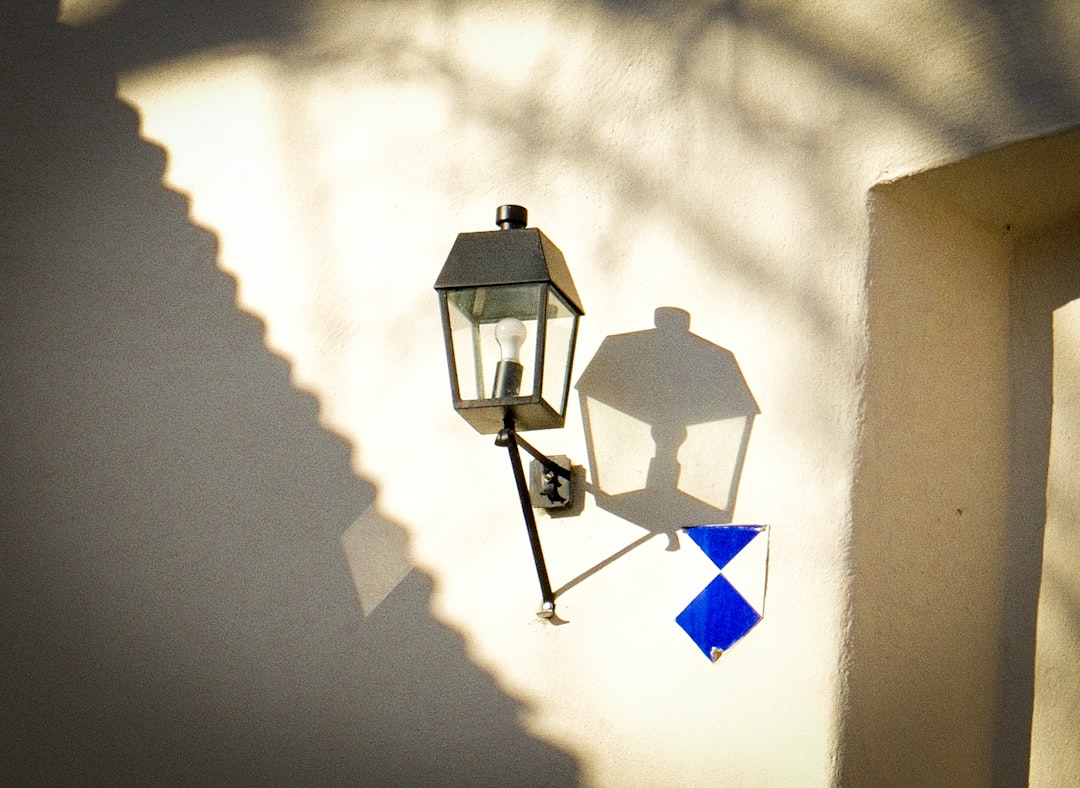
Think of it as a classic Darkedesigns light fixture that’s been given a modern, minimalist makeover. The core concept is a light bulb, or more commonly, a protected light source, housed within a protective “cage.” This cage isn’t usually made of heavy, ornate bars; instead, it’s typically constructed from sleek metal, often in matte black, brushed nickel, or oil-rubbed bronze finishes. The design emphasizes clean lines and a utilitarian aesthetic that, paradoxically, lends it a sophisticated air.
The Protective Element: More Than Just Looks
The “cage” serves a practical purpose. It shields the bulb and the internal workings from the elements – rain, snow, dust, and even accidental bumps. This durability is a key component of its appeal, especially for outdoor fixtures. It suggests longevity and a well-considered design that prioritizes both form and function. Unlike exposed bulbs that can be vulnerable, the cage provides a layer of security that contributes to the fixture’s overall resilience.
Materials Matter: Building for the Outdoors
When we talk about these lights, the materials are crucial. You’ll commonly see them made from:
- Aluminum: Lightweight and resistant to rust, a great choice for coastal areas or places with high humidity.
- Steel (often powder-coated): Durable and strong, powder coating adds an extra layer of protection against corrosion and wear. Matte black is a popular finish here.
- Brass (solid or plated): Offers a classic, premium feel and can develop a beautiful patina over time, adding to its character.
- Stainless Steel: Exceptionally durable and corrosion-resistant, making it a long-term investment.
The quality of these materials directly impacts the lifespan and appearance of the fixture. Cheaper alternatives might use thinner metals or less effective coatings, leading to quicker degradation.
The Shade: Simplicity is Key
The “shade” in this context often refers to the protective cage itself, but sometimes it can also incorporate a secondary, more diffused element behind the cage for a softer light. However, the defining characteristic is the absence of elaborate glass shades or intricate decorative features. The focus is on the silhouette and the interplay of light and shadow created by the cage.
The “Quiet Luxury” Connection: Why it Works
“Quiet Luxury” in interior and exterior design is all about understated elegance, quality craftsmanship, and timeless appeal. It’s the opposite of ostentatious displays of wealth or trends that quickly fade. The Cage Shade Outdoor Wall Light fits this ethos perfectly because:
Subtle Sophistication
These lights don’t try to be the centerpiece of your facade. Instead, they enhance it. Their clean lines and muted finishes blend seamlessly with a variety of architectural styles, from modern minimalist to rustic farmhouse. They offer a sophisticated touch without being overbearing. It’s like a well-tailored suit – it looks good because it’s well-made and fits perfectly, not because of loud patterns or excessive embellishments.
Durability as a Status Symbol
In the world of Quiet Luxury, quality and longevity are paramount. A fixture that is built to last, withstand the elements, and maintain its aesthetic appeal over years is inherently more valuable than something that looks good for a season. The robust construction of a cage shade light communicates this inherent quality. It’s an investment in enduring style.
Versatility in Design
The lack of fussy details means these lights are incredibly versatile. They don’t tie you down to a specific design aesthetic for your entire home. Whether your exterior is brick, stucco, wood, or metal, a well-chosen cage shade light will likely complement it. This adaptability is a hallmark of intelligent design, a key tenet of Quiet Luxury.
The Power of Shadow and Light
The cage design inherently creates interesting shadow patterns as light emanates from within. This interplay of light and shadow adds depth and dimension to your exterior walls, something that a simple, unadorned light might not achieve. It’s a subtle but impactful way to add visual interest and create ambiance.
Practical Applications and Placement
Where you put these lights and how you use them makes a big difference. They aren’t just about illumination; they’re about setting a mood and guiding visitors.
Entranceways: The First Impression
This is perhaps the most common and effective place for cage shade outdoor wall lights. Flanking your front door, they provide welcoming light for guests and enhance the architectural features of your entryway.
- Symmetry is Key: Typically, you’ll see a pair of these lights, one on each side of the door. This creates a sense of balance and order.
- Height Matters: Mount them at eye level for someone standing on the porch, usually around 60-66 inches from the ground to the center of the fixture. This ensures they illuminate the path without being blinding.
- Consider the Door Material: A black cage light might pop against a natural wood door, while a brushed nickel finish could complement a painted door in a similar hue.
Garage Doors: Functionality Meets Style
Illuminating your garage area is practical for safety and security. Cage shade lights can do this without looking like utilitarian floodlights.
- Even Spacing: If you have a double garage, consider placing a light on either side of the entire structure. For multiple individual garage bays, lights might be placed between each bay.
- Task Lighting: These lights can provide enough illumination for unloading groceries or finding tools, but their design ensures they don’t detract from your home’s overall curb appeal.
Along Walkways and Paths: Guiding the Way
While not always the primary path lighting, a strategically placed cage shade light can add an extra layer of ambiance and safety to garden paths or side walkways.
- Complementary to Landscape Lighting: They can work in tandem with low-level landscape lights, offering a more prominent glow at key points.
- Adding Character to Gardens: Placed near garden features or seating areas, they can create intimate pockets of light after dusk.
Patios and Decks: Extending Living Spaces
These lights are excellent for creating an inviting atmosphere on outdoor living spaces.
- Ambient Glow: Mounted on walls adjacent to patios or decks, they provide a warm, inviting light that encourages lingering outdoors.
- Highlighting Architectural Details: Use them to draw attention to textured walls, decorative screens, or built-in seating areas.
Choosing the Right Cage Shade Light: What to Look For
With the growing popularity, there are many options out there. It’s important to know what to prioritize to get a fixture that lasts and looks good.
Durability and Weather Resistance
This is non-negotiable for outdoor lighting. Look for fixtures with high IP (Ingress Protection) ratings. An IP rating of IP44 or higher is generally recommended for outdoor use, meaning it’s protected against solid objects larger than 1mm and water splashes. For areas with harsher weather, aim for IP65 or higher.
Finish and Color
The finish is crucial for both aesthetics and durability.
- Matte Black: A perennial favorite for its versatility and modern appeal. It’s sleek and hides dirt well.
- Brushed Nickel/Stainless Steel: Offers a contemporary, clean look. Great for modern or industrial-inspired homes.
- Oil-Rubbed Bronze/Dark Bronze: Provides a warmer, more traditional feel. It can add depth and richness to brick or stone exteriors.
- Copper/Brass: These can develop a lovely patina, adding character over time, but they might require more maintenance depending on the climate.
Ensure the finish is applied well, with no streaks or imperfections. Powder coating is often a good indicator of quality.
Light Source and Brightness
What kind of bulb does it take?
- LED Compatibility: Most modern fixtures are designed for LED bulbs. This is a huge advantage as LEDs are energy-efficient, long-lasting, and come in various color temperatures.
- Color Temperature: For outdoor lighting, a warm white (around 2700K to 3000K) is generally preferred for creating a welcoming and relaxing atmosphere. Avoid cool white (above 4000K) for residential exteriors, as it can look harsh.
- Brightness (Lumens): The number of lumens will dictate how bright the light is. For general accent lighting, 200-400 lumens per fixture might be sufficient. For functional illumination, especially near entrances or garages, you might need 400-800 lumens. It’s often better to have a slightly dimmer light that can be supplemented than an overly bright one that washes out details.
Size and Scale
The light should be proportionate to the wall space and architectural elements it’s near.
- Don’t Go Too Small: Tiny lights can look lost on a large wall.
- Don’t Go Too Big: Overly large fixtures can overwhelm the facade and appear gaudy, which is the antithesis of Quiet Luxury.
- Consider the Height of your Home: A taller home can generally accommodate a larger fixture.
Installation Considerations
- Hardwired vs. Plug-in: Most outdoor wall lights are hardwired, meaning they need to be connected to your home’s electrical system by a qualified electrician. This ensures a clean look with no visible cords.
- Ease of Bulb Replacement: Think about how easy it will be to change the bulb when needed. Some designs might require a bit of maneuvering.
Beyond the Basics: Advanced Considerations
Once you’ve got the fundamental aspects covered, there are a few more things to ponder that can truly elevate your outdoor lighting.
Smart Home Integration
Some modern cage shade lights are designed with smart technology in mind.
- Dimmability: If the fixture is dimmable, you can adjust the light output for different occasions or times of day, adding another layer of control and ambiance.
- Smart Bulbs: Even if the fixture itself isn’t “smart,” you can often install smart LED bulbs to gain features like remote control, scheduling, and voice commands. This is a fantastic way to bring a classic design into the modern era of home automation without compromising on style.
- Color Changing Options: While less common for the “Quiet Luxury” aesthetic, some smart bulbs offer color-changing capabilities if you ever want to experiment with mood lighting. However, sticking to warm white is usually best for that understated elegance.
Photocell and Timer Integration
- Photocells (Dusk-to-Dawn Sensors): These sensors automatically turn your lights on when it gets dark and off when it gets light. It’s an effortless way to ensure your home is always lit after dark without you having to remember to flip a switch. Many fixtures are compatible with external photocell units, or some might have them built-in.
- Timers: If you prefer more control over when your lights are on, a timer can be set for specific hours. This is useful for security or to create a particular ambiance for evening gatherings.
Material Patina and Maintenance
- Natural Aging: For fixtures made of brass or copper, understand that they are designed to develop a patina. This is a natural process that adds character. However, if you prefer the original shine, regular polishing will be necessary.
- Cleaning: Regardless of the material, occasional cleaning will keep your lights looking their best. A soft cloth and mild soap are usually sufficient. For fixtures in areas prone to salt spray or heavy pollution, more frequent cleaning might be required to prevent corrosion.
Style Variations within the Cage Concept
While the core idea is similar, there’s a spectrum of styles that fall under the “cage shade” umbrella.
- Minimalist Frame: These often feature very thin metal lines, creating an almost invisible cage that highlights the bulb within. This is perfect for ultra-modern homes.
- Geometric Cages: Some designs incorporate geometric shapes like hexagons or octagons within the larger cage structure, adding a subtle artistic touch.
- Industrial Touches: More robust, thicker metal bars can evoke an industrial feel, suitable for homes with that aesthetic.
- Integrated Diffusers: Some lights have a frosted glass or acrylic diffuser behind the cage, softening the light and reducing glare. This can be a good option if you want a less direct light source.
The Enduring Appeal of Functional Simplicity
The Cage Shade Outdoor Wall Light, when chosen thoughtfully and installed correctly, is more than just a light fixture. It’s a testament to the power of functional design and understated elegance. It’s about creating a welcoming, safe, and aesthetically pleasing exterior without resorting to trends or ostentation. By focusing on quality materials, practical application, and a timeless design, these lights embody the essence of Quiet Luxury, enhancing your home’s appeal with a subtle, enduring grace. They prove that sometimes, the most sophisticated statements are the ones whispered, not shouted.