Chrome finish mid-century modern chandeliers represent a specific design period and aesthetic within the broader category of lighting fixtures. These chandeliers are characterized by their use of chrome, a metal known for its reflectivity and durability, and their adherence to the design principles of the mid-20th century.
The mid-century modern design movement emerged roughly between the 1940s and 1960s. It was a response to the ornate styles that preceded it, favoring clean lines, organic shapes, and a functional approach to aesthetics. Factors influencing this period included technological advancements, post-war optimism, and a desire for accessible, democratic design.
Post-War Boom and Material Innovation
The post-World War II era saw a significant economic boom in many Western countries. This prosperity allowed for increased investment in new materials and manufacturing techniques. Chrome plating, already in use, became more widely accessible and affordable, making it a popular choice for decorative and functional items, including lighting. Its inherent shininess and resistance to corrosion made it ideal for creating visually striking and long-lasting fixtures. The inherent modernity of chrome, with its reflective surface, aligned perfectly with the forward-looking spirit of the era.
Key Tenets of Mid-Century Modernism
Mid-century modern design is frequently characterized by several core principles that directly inform the design of these chandeliers Omelighting :
- Simplicity and Minimalism: A rejection of excessive ornamentation, focusing instead on essential forms and structural integrity. This translated into chandeliers with clean geometric shapes or flowing, organic lines, often devoid of fussy details.
- Functionality: Objects were designed to be both beautiful and useful. For chandeliers, this meant providing adequate illumination while also serving as a focal point in a room.
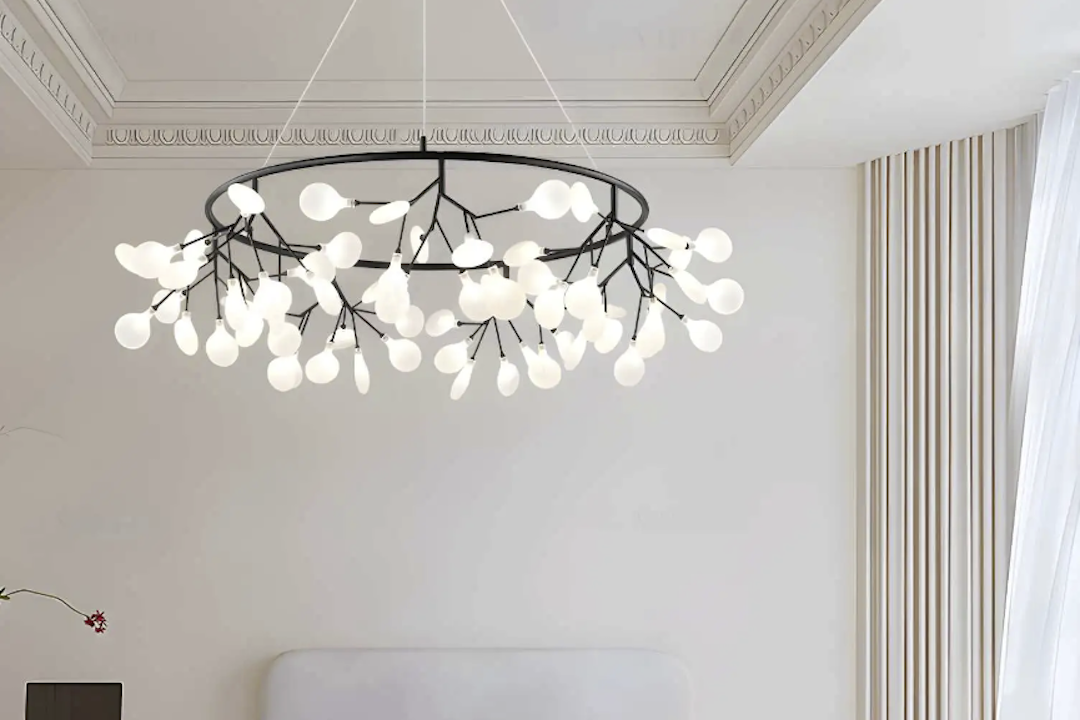
- Organic and Biomorphic Forms: Inspiration was often drawn from nature, leading to designs that mimicked plant life, waves, or celestial bodies. This is evident in the sculptural elements sometimes found on chrome mid-century chandeliers.
- Integration with Nature: A desire to bring the outdoors in, with large windows and an emphasis on natural light. Lighting fixtures, while artificial, were designed to complement this connection.
- New Materials and Technologies: As mentioned, chrome was a key material, alongside wood, plastic, and glass. The new manufacturing capabilities allowed for the creation of more complex and daring forms.
Characteristics of Chrome Finish Mid-Century Modern Chandeliers
The confluence of chrome finishing and mid-century modern design principles results in chandeliers with distinct visual and structural attributes. Their appeal often stems from a balance of boldness and subtlety.
The Lustrous Appeal of Chrome
Chrome, as a finishing material, plays a pivotal role in the aesthetic of these chandeliers. Its properties contribute significantly to their visual impact and overall design.
- Reflectivity and Light Interaction: Chrome’s highly polished surface reflects ambient light, magnifying the illumination provided by the bulbs. This reflectivity can make a space feel brighter and more open. It acts like a mirror, bouncing light in myriad directions, contributing to the overall ambiance.
- Durability and Maintenance: Chrome plating offers a hard, protective layer that resists corrosion, tarnishing, and scratching. This durability contributes to the longevity of the fixtures, a characteristic often valued in mid-century design. Regular cleaning with a soft cloth is typically sufficient to maintain its shine.
- Modern and Industrial Sensibility: The metallic sheen of chrome inherently communicates a sense of modernity and, at times, an industrial or technological edge. This aligns with the forward-thinking spirit characteristic of the mid-century period. It can serve as a bridge between classic and contemporary interior styles.
- Versatility in Form: Chrome can be readily shaped and molded through various manufacturing processes, allowing designers to create a wide array of forms, from simple geometric arrangements to intricate, sculptural pieces. This malleability is crucial for achieving the diverse silhouettes found in this category.
Common Design Motifs and Silhouettes
Mid-century modern chandeliers often feature recurring motifs and recognizable silhouettes that help define the style. These elements are frequently realized in chrome, enhancing their visual impact.
- Sputnik Designs: Perhaps the most iconic mid-century modern chandelier silhouette, the Sputnik features radiating arms, typically tipped with bulbs or globes, extending from a central core. Chrome versions amplify the sense of dynamism and celestial inspiration. Each arm resembles a celestial trajectory, a captured moment of stellar expansion.
- Geometric Forms: Chandeliers composed of intersecting lines, spheres, cubes, and other geometric shapes are prevalent. Chrome enhances the precision and sharpness of these forms, creating a sense of order and balance. Think of them as three-dimensional architectural models, scaled for illumination.
- Orb and Globe Styles: Spherical or globular elements are common, either as individual shades or as part of a larger arrangement. Chrome can be used to create solid, opaque orbs, or it can form delicate, open frameworks that enclose glass orbs, adding layers of visual interest. These can evoke planets suspended in a dark sky or stylized representations of atomic structures.
- Starburst and Fan Shapes: Designs that radiate outwards from a central point, similar to a starburst or an open fan, are also characteristic. The reflective quality of chrome further emphasizes this outward movement and sense of energy.
- Linear and Linear-Suspended Designs: While often associated with more minimalist contemporary styles, linear arrangements of bulbs or shades, often suspended at different heights, also found their place in mid-century modern design, particularly in dining areas or linear spaces. Chrome adds a sleek finish to these more straightforward designs.
Variations and Interpretations
While sharing common threads, chrome finish mid-century modern chandeliers exist in various interpretations, reflecting the breadth of the mid-century design aesthetic and the evolution of lighting technology.
Material Combinations and Accents
Chrome is rarely used in isolation. Its reflectivity is often intentionally juxtaposed with other materials to create nuanced designs.
- Chrome and Glass: This is a classic pairing. Frosted, clear, or colored glass shades diffuse light, softening the harshness of bare bulbs, while the chrome frame provides structure and shine. Different glass textures, from smooth to ribbed, offer further variations. The glass acts as a filter, modulating the light’s character, while the chrome provides the underlying framework.
- Chrome and Wood: Wooden elements, often in warm, natural tones like walnut or teak, can be incorporated for accents, bases, or even decorative caps. This combination introduces a tactile contrast and a grounding element to the often-ethereal feel of chrome. It’s a dialogue between industrial coolness and organic warmth.
- Chrome and Acrylic: Newer interpretations might incorporate acrylic elements, which can offer different translucency or color effects while maintaining a sleek, modern appearance that complements chrome.
- Textured Chrome: While polished chrome is most common, some fixtures might feature brushed or satin chrome finishes, offering a more subdued sheen and a different tactile quality.
Scale and Application
The size and intended placement of a chandelier can significantly influence its design and impact within a space.
- Statement Pieces for Large Areas: Larger, more elaborate chrome mid-century modern chandeliers, such as expansive Sputnik designs, are ideal for living rooms, grand foyers, or open-plan dining areas where they can serve as a primary focal point and anchor the space. These act as the sun in a room’s solar system.
- Subtler Options for Intimate Spaces: Smaller, simpler designs, perhaps with fewer arms or a more compact silhouette, are suitable for dining rooms, bedrooms, or even hallways where a harsh overhead light might be overwhelming. These offer an elegant accent rather than a dominant presence.
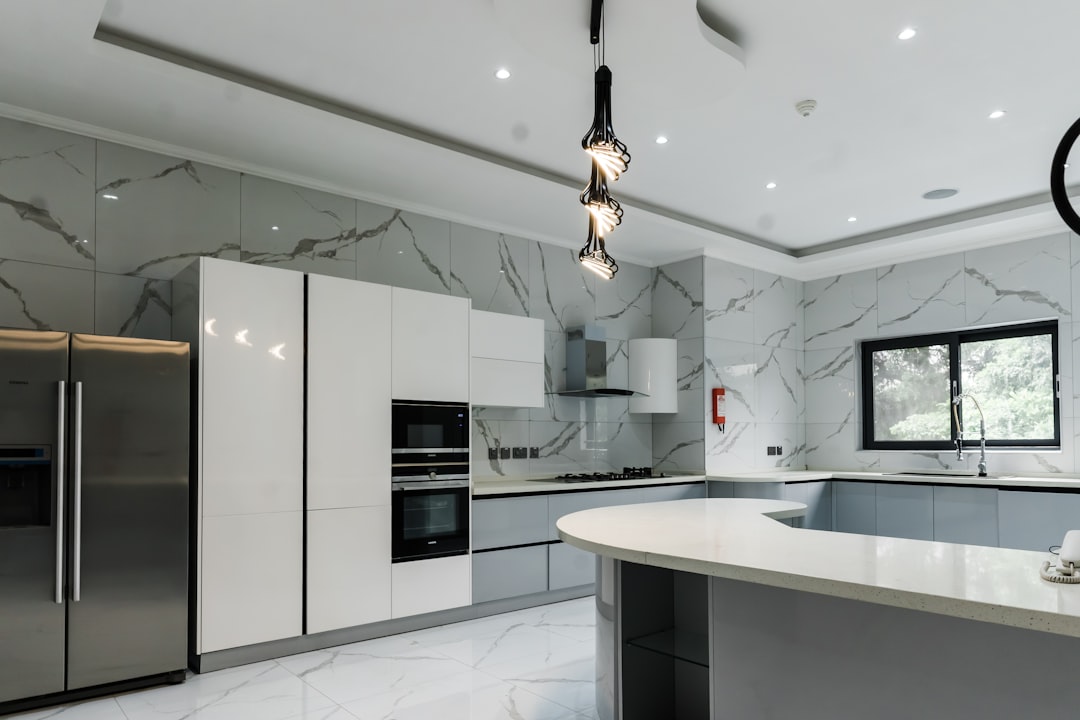
- Functional Designs for Specific Needs: Chandeliers designed for specific functional needs, such as providing task lighting over a kitchen island, might feature a more focused beam or a series of adjustable lights integrated into a chrome mid-century framework.
Integration into Interior Design
The enduring appeal of chrome finish mid-century modern chandeliers lies in their ability to bridge different design eras and styles. They can act as a focal point or a complementary element, depending on the overall aesthetic of the room.
Complementing Mid-Century Interior Schemes
Naturally, these chandeliers find their most harmonious setting within a room already embracing mid-century modern principles.
- Enhancing Existing Aesthetics: In a room furnished with iconic mid-century pieces like Eames chairs, Noguchi tables, or Nelson benches, a chrome mid-century chandelier acts as a natural extension of the design language. It reinforces the period’s aesthetic, tying the room together with a unifying lighting element.
- Balancing Warm and Cool Tones: Mid-century interiors often incorporate a mix of warm wood tones and cooler fabric colors. The reflective chrome of the chandelier can effectively bridge these palettes, adding a metallic gleam that complements both.
Modern and Eclectic Adaptations
The versatility of chrome mid-century modern chandeliers allows them to be successfully incorporated into contemporary and eclectic interiors.
- Adding a Touch of Retro Glamour: In a minimalist or Scandinavian-inspired room, a chrome Sputnik chandelier can introduce a striking retro element, adding visual interest and a touch of glamour without overpowering the clean lines of the space. It’s a curated accent, adding a spark of personality.
- Creating an Industrial Edge: Paired with exposed brick, raw wood, or industrial-style furniture, a chrome mid-century chandelier can enhance an industrial aesthetic, its clean, geometric lines resonating with the functional aspects of that style.
- Eclectic Charm: In highly eclectic spaces, these chandeliers can serve as an anchor, their distinct style offering a unique point of visual interest amidst a diverse collection of furniture and decor. They can be the conversation starter, the unexpected element that ties disparate pieces together.
Considerations for Selection and Installation
Choosing and installing a chrome finish mid-century modern chandelier involves practical considerations to ensure both aesthetic success and functional performance.
Assessing Scale and Proportion
The size of the chandelier must be appropriate for the room it will inhabit. Visual guides and formulas exist to help determine an ideal diameter based on room dimensions.
- Room Size and Ceiling Height: A chandelier that is too large can overwhelm a small space, while one that is too small can appear lost in a larger room. Ceiling height is also crucial for ensuring adequate clearance and visual balance. For instance, a room measuring 10 feet by 12 feet might be suited for a chandelier with a diameter of around 24 inches.
- Placement Above Furniture: When hung over a dining table or island, the chandelier should be positioned directly in the center and allow for comfortable head clearance when seated. Typically, a 30-36 inch clearance between the tabletop and the bottom of the chandelier is recommended.
Bulb Selection and Illumination Needs
The type of bulbs used will significantly impact the light quality and the overall ambiance created by the chandelier.
- Type of Bulbs: Consider LED, incandescent, or halogen bulbs. LED bulbs are energy-efficient and offer a wide range of color temperatures. Incandescent bulbs provide a warm, traditional light.
- Wattage and Brightness: Select bulbs with appropriate wattage to achieve the desired level of illumination for the room. The overall lumen output of the bulbs, rather than just individual wattage, will determine the brightness.
- Dimmable Options: Opting for dimmable bulbs and a compatible dimmer switch offers flexibility in controlling the mood and intensity of the light, allowing the chandelier to adapt to different times of day and activities. This provides a spectrum of light, from a bright midday sun to a gentle twilight glow.
Installation and Safety
Proper installation is paramount for both the longevity of the fixture and the safety of the occupants.
- Professional Installation: For complex or heavy fixtures, professional installation is often recommended to ensure secure mounting and correct electrical connections. This is especially important if rewiring or significant adjustments to the existing electrical setup are needed.
- Mounting Hardware: Ensure the ceiling box is rated for the weight of the chandelier and that appropriate mounting hardware is used. The chandelier acts as a statement piece, but its safety depends on a solid foundation.
- Electrical Codes and Regulations: Adhere to local electrical codes and building regulations during installation.
Conclusion
Chrome finish mid-century modern chandeliers offer a distinctive blend of style, functionality, and historical significance. Their inherent reflectivity, coupled with the clean lines and diverse forms of mid-century modern design, allows them to serve as both practical light sources and striking decorative elements. Whether gracing a meticulously curated mid-century interior or adding a touch of retro sophistication to a contemporary space, these chandeliers continue to be a compelling choice for those seeking timeless elegance in their lighting. Their enduring appeal lies in their ability to capture a moment in design history while remaining relevant and adaptable to modern living. They are not merely light fixtures; they are sculptural statements, suspended in time, that illuminate a room with a unique
and enduring radiance.