The burgeoning demand for lighting solutions that balance aesthetic appeal with practical resilience has led to the proliferation of various material innovations. Among these, polycarbonate has emerged as a significant contender, particularly in the realm of ceiling lights. This article explores the characteristics, applications, and considerations associated with durable polycarbonate ceiling lights, offering a comprehensive overview for those contemplating their installation.
Polycarbonate (PC) is a group of thermoplastic polymers containing carbonate groups in their chemical structures. This family of materials is renowned for its exceptional strength and rigidity, making it a preferred choice for applications requiring resistance to impact and harsh environmental conditions.
Chemical Composition and Structure
Polycarbonate’s robustness stems from its unique molecular structure. It is typically derived from bisphenol A (BPA) and phosgene. The polymer chains are tightly packed and feature strong intermolecular forces, contributing to its high glass transition temperature and subsequent thermal stability. Unlike some plastics, polycarbonate does not shatter upon impact; instead, it tends to flex and deform, dissipating the energy of the force. This characteristic is crucial for its utility in lighting fixtures, particularly those exposed to potential physical damage. The material can also be processed in various ways, including injection molding, extrusion, and blow molding, allowing for a diverse range of shapes and designs.
Key Physical Properties
Polycarbonate exhibits a suite of properties that make it suitable for durable ceiling lights Bonisis:
- Impact Resistance: Often described as “bulletproof glass” lite, polycarbonate possesses an impact strength significantly higher than many other transparent plastics, such as acrylic or glass. This makes it an ideal material for environments where accidental impacts, vandalism, or projectile damage are concerns. Think of it as a protective shield for your light source, guarding against unexpected external forces.
- Thermal Stability: Polycarbonate maintains its mechanical properties over a broad temperature range, from approximately -40°C to +120°C. This attribute ensures that the ceiling light will not warp, degrade, or discolour under typical operating temperatures or fluctuations, whether indoors or in semi-outdoor sheltered spaces.
- Optical Clarity: While known for its strength, polycarbonate also offers excellent light transmission, comparable to glass in many applications. This allows for efficient illumination without significant light loss or distortion, maintaining the intended brightness and color rendition of the light source.
- UV Resistance (Treated): Untreated polycarbonate can yellow and degrade with prolonged exposure to ultraviolet (UV) radiation. However, most polycarbonate intended for exterior or bright interior applications is treated with UV stabilizers or coatings, significantly extending its lifespan and maintaining its aesthetic appeal. This treatment acts as an invisible sunscreen for the material, preserving its original clarity and colour over time.
- Lightweight: Compared to glass, polycarbonate is considerably lighter. This reduces the structural load on ceilings, simplifies installation, and lowers shipping costs. For installers, this translates to easier handling and reduced personal risk.
- Flame Retardancy: Many polycarbonate formulations are inherently flame retardant or can be modified to achieve specific fire safety ratings, contributing to the overall safety of the lighting fixture. This is a critical factor in public buildings and commercial spaces where fire safety regulations are stringent.
Advantages of Polycarbonate in Ceiling Light Applications
The inherent properties of polycarbonate translate into numerous practical advantages when utilized in ceiling light design and installation. These benefits address both performance and practical considerations for various environments.
Enhanced Durability and Longevity
The primary driver for choosing polycarbonate in ceiling lights is its superior durability. Unlike traditional glass, which shatters into potentially dangerous fragments upon impact, polycarbonate typically deforms or cracks without splintering. This dramatically reduces the risk of injury from broken glass, a significant concern in public spaces, educational institutions, sports facilities, and industrial environments. This resilience extends the lifespan of the fixture itself, reducing the frequency and cost of replacements. For environments prone to accidental bumps or deliberate acts, a polycarbonate fixture acts as a sturdy sentinel, protecting the internal components from harm.
Safety and Compliance
Beyond physical integrity, polycarbonate contributes to overall safety and regulatory compliance. Its shatter-resistant nature makes it suitable for areas where public safety is paramount, aligning with safety standards in schools, hospitals, and food preparation areas. Furthermore, the availability of flame-retardant grades allows manufacturers to meet stringent fire safety codes in commercial and residential buildings, providing an additional layer of protection against fire hazards. Many polycarbonate fixtures also carry impact ratings (e.g., IK ratings), objectively quantifying their resistance to external forces, offering clear benchmarks for specification.
Versatility in Design
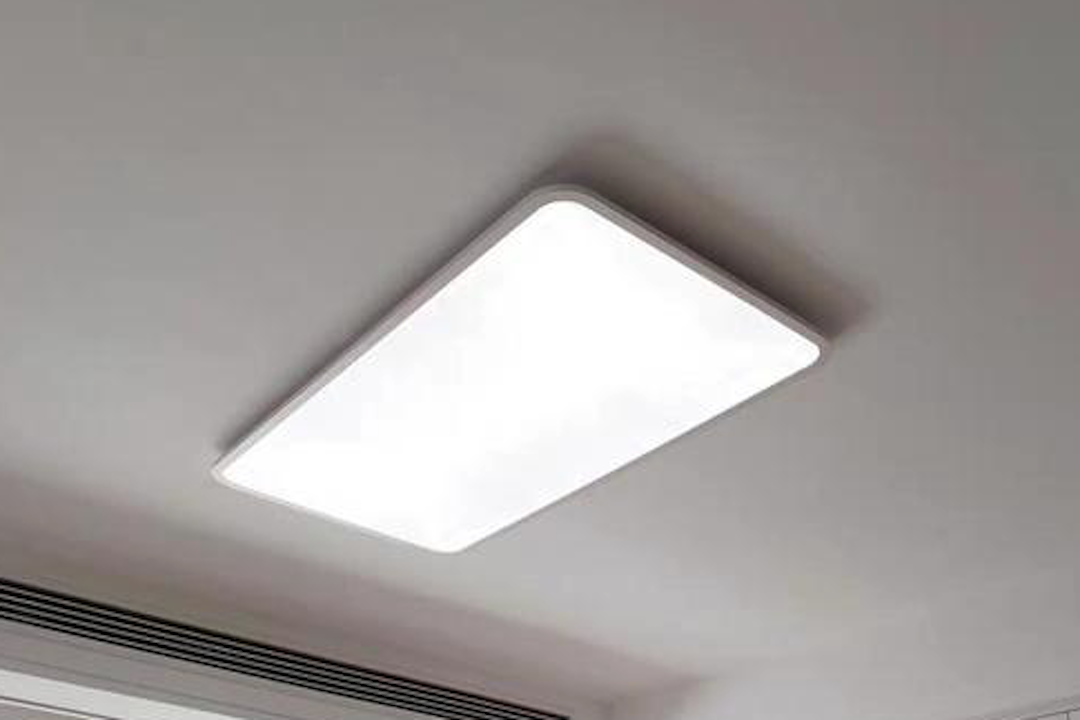
Despite its robust nature, polycarbonate is a highly versatile material for aesthetic design. It can be molded into intricate shapes and curves, dyed in various colours, and textured to diffuse light or create unique visual effects. This design flexibility allows manufacturers to innovate beyond the constraints of traditional glass or metal, offering a wider array of stylistic options to complement diverse architectural themes. From minimalist flush mounts to ornate semi-flush designs, polycarbonate provides a canvas for creative illumination. Its lighter weight also enables larger fixture designs without excessive structural load, opening up possibilities for expansive or dramatic lighting elements.
Cost-Effectiveness Over Lifecycle
While the initial cost of a polycarbonate fixture might sometimes be comparable to or slightly higher than a glass equivalent, its durability often leads to significant cost savings over the product’s lifecycle. Reduced breakage means fewer replacements, lower maintenance costs, and diminished risk of liability from injuries. In environments where breakage is frequent, such as sports halls or transit stations, the long-term cost benefits of polycarbonate become particularly pronounced. It is an investment in reliability, yielding returns in reduced operational expenses and increased safety.
Environmental Considerations
The environmental footprint of polycarbonate is a multifaceted topic. While it is a petroleum-derived plastic, advances in manufacturing processes have aimed to reduce energy consumption. Furthermore, many polycarbonate products are recyclable, although the recycling infrastructure for all plastic types can vary by region. The extended lifespan of polycarbonate products also lessens the frequency of manufacturing new units, thus contributing to resource conservation. Some manufacturers are exploring bio-based polycarbonates or those incorporating recycled content, pushing towards more sustainable solutions.
Applications of Durable Polycarbonate Ceiling Lights
The attributes of polycarbonate make it suitable for a broad spectrum of lighting applications, spanning commercial, industrial, institutional, and even specific residential settings.
Commercial and Retail Spaces
In retail environments, ceiling lights serve both functional and aesthetic purposes. Polycarbonate fixtures provide robust illumination in high-traffic areas, such as aisles, checkout counters, and warehouses, where accidental bumps from equipment or merchandise might occur. Their resistance to breakage is also valuable in spaces where product displays are frequently rearranged or where the potential for falling objects exists. Stylistically, modern polycarbonate fixtures can be seamlessly integrated into contemporary retail designs, providing durable yet unobtrusive lighting. From large department stores to small boutiques, polycarbonate offers a robust lighting solution that protects against common operational hazards while maintaining visual appeal.
Educational Institutions and Public Buildings
Schools, universities, libraries, and government buildings are prime candidates for polycarbonate ceiling lights. These environments often experience high levels of activity and foot traffic, increasing the likelihood of accidental damage to fixtures. The shatter-resistant nature of polycarbonate significantly enhances safety for students, staff, and visitors. In gymnasiums or sports halls, where projectiles like balls are common, polycarbonate fixtures are invaluable, acting as resilient targets that continue to function after impact. The durability of these fixtures also reduces maintenance costs associated with frequent replacements in these budget-sensitive institutions. Think of them as the unsung heroes protecting students and faculty from the unseen hazards of everyday life.
Industrial and Manufacturing Facilities
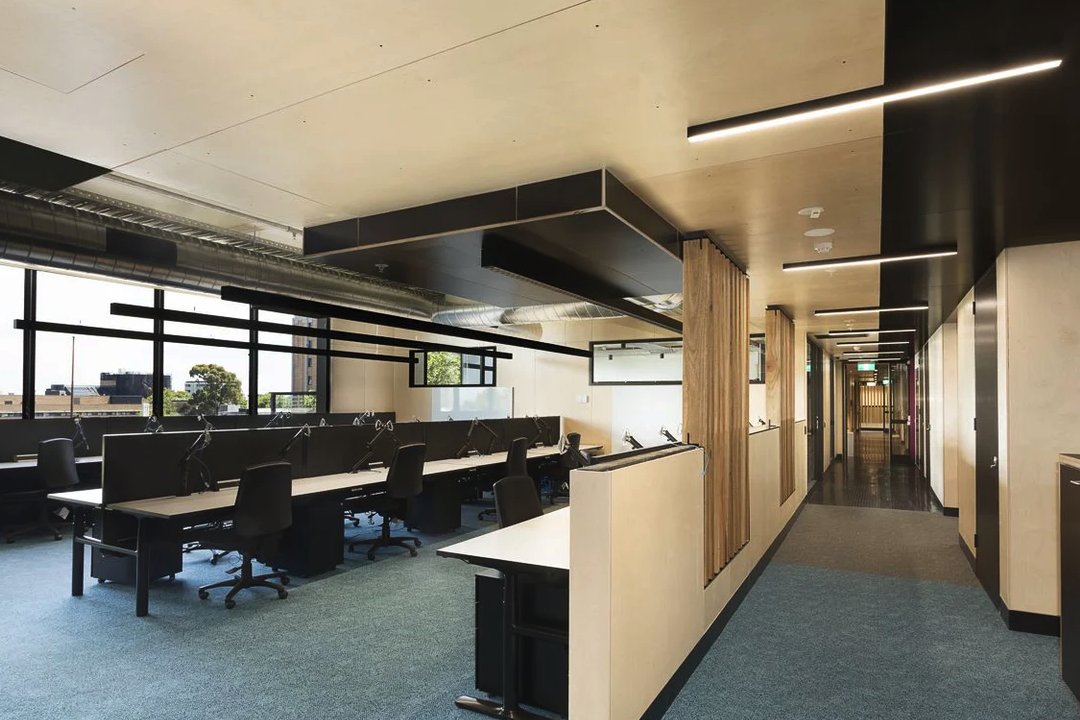
Industrial settings present some of the most challenging environments for lighting. High ceilings, heavy machinery, and the potential for vibrations, dust, and debris necessitate exceptionally durable light fixtures. Polycarbonate ceiling lights are well-suited for factories, warehouses, workshops, and distribution centers. Their impact resistance protects against damage from forklifts, overhead cranes, or dropped tools. Furthermore, their ability to withstand a range of temperatures and their inherent flame retardancy (in treated versions) contribute to a safer and more reliable lighting system in these demanding operational spaces. These fixtures act as steadfast guardians, providing consistent illumination under the most arduous conditions.
Healthcare Facilities
Hospitals, clinics, and long-term care facilities require lighting that prioritize hygiene, safety, and reliability. Polycarbonate ceiling lights are advantageous due to their ease of cleaning and resistance to common cleaning agents (when specified correctly). Their shatter-resistant property mitigates the risk of glass contamination, which is paramount insterile or patient care areas. Furthermore, in areas such as emergency rooms or psychiatric wards, where the risk of intentional damage can be higher, polycarbonate offers a vital layer of protection. The smooth, non-porous surfaces of many polycarbonate fixtures also resist microbial growth, contributing to infection control protocols.
Sports and Recreational Centers
Gymnasiums, swimming pools (with appropriate sealing for humidity), and community recreational centers are environments where polycarbonate ceiling lights shine. The constant activity, potential for projectiles (balls, equipment), and sometimes harsh environmental conditions (e.g., humidity) demand robust lighting. Polycarbonate’s impact resistance is critical here, preventing costly damage and ensuring continuous illumination during sporting events or recreational activities. Their ability to shed water when properly designed also makes them suitable for changing rooms or shower areas, provided they meet the necessary IP (Ingress Protection) ratings.
Installation and Maintenance Considerations
While polycarbonate ceiling lights offer significant advantages, proper installation and ongoing maintenance are crucial to maximizing their lifespan and performance.
Mounting and Support
Due to their lighter weight compared to glass fixtures, polycarbonate ceiling lights often simplify installation. However, it is essential to ensure that the mounting hardware and ceiling structure are appropriate for the fixture’s size and weight. Always adhere to the manufacturer’s installation guidelines. In environments prone to vibration or extreme impacts, additional bracing or reinforced mounting points may be necessary to prevent the fixture from loosening over time. Though typically robust, ensuring a secure anchor is like providing a firm foundation for any strong structure – it enhances its inherent strength.
Cleaning and Care
Polycarbonate, while durable, requires specific cleaning practices to maintain its optical clarity and prevent surface degradation. Abrasive cleaners, solvents containing harsh chemicals (e.g., ammonia, benzene, acetone), or abrasive cloths should be avoided, as they can scratch the surface or cause stress cracking. Instead, using a soft cloth with mild soap and water is generally recommended. For specialized applications or exposure to particular contaminants, consult the manufacturer’s cleaning recommendations. Regular cleaning prevents the buildup of dust and grime, which can diminish light output and affect the aesthetic of the fixture.
Replacement and Repair
One of the benefits of polycarbonate is its longevity, reducing the frequency of component replacement. However, if damage does occur to the polycarbonate diffuser or housing, it can often be replaced modularly, rather than requiring the entire fixture to be discarded. This contributes to cost-effectiveness and reduces waste. For internal electrical components (e.g., LED drivers, light engines), standard electrical maintenance and replacement procedures apply. Always ensure that any repairs are carried out by qualified personnel to maintain safety and warranty validity.
Future Trends and Innovations
The field of lighting technology, including material science, is in constant evolution. Polycarbonate ceiling lights are also poised for further developments, driven by demands for greater sustainability, intelligence, and integration.
Smart Lighting Integration
The integration of smart lighting controls is a significant trend. Polycarbonate housing can incorporate sensors for occupancy detection, ambient light levels, and even air quality. This allows for dynamic lighting systems that automatically adjust brightness, color temperature, and even activate in response to detected environmental parameters, optimizing energy consumption and user comfort. Imagine a ceiling light that knows when you enter a room, adjusts its brightness to the natural light, and even turns itself off when you leave, all while retaining its inherent robustness.
Sustainable Polycarbonate Formulations
Research and development are increasingly focused on creating more sustainable polycarbonate options. This includes polycarbonates derived from bio-based feedstocks (reducing reliance on fossil fuels), those with higher percentages of recycled content, and formulations designed for easier end-of-life recycling. Manufacturers are keenly aware of environmental concerns and are working towards greener solutions that do not compromise the material’s performance characteristics. This journey towards sustainability is a continuous path, with incremental innovations paving the way for a more environmentally benign product.
Advanced Optical Designs
Beyond basic diffusion, advancements in polycarbonate molding and surface treatment allow for highly sophisticated optical designs. This includes micro-prismatic diffusers for enhanced glare control, specialized lenses for precise light distribution, and textured surfaces that create unique aesthetic effects. These innovations aim to improve both the functional performance (e.g., uniformity of light, reduced glare) and the aesthetic quality of illumination. The polycarbonate globe is transforming from a simple light dispenser into a sophisticated tool for light manipulation.
Enhanced Durability Coatings
While inherently durable, polycarbonate can be further enhanced with specialized coatings. These coatings can provide additional scratch resistance, anti-graffiti properties, anti-microbial surfaces, or even self-cleaning capabilities (hydrophobic or superhydrophobic coatings). Such advancements further extend the lifespan and reduce maintenance requirements, particularly in highly demanding or public-facing applications. These coatings act as an additional layer of armor, safeguarding the light’s appearance and functionality against specific challenges.
In conclusion, durable polycarbonate ceiling lights represent a practical solution for environments demanding both resilient functionality and aesthetic versatility. Their exceptional impact resistance, thermal stability, and lightweight nature make them a compelling choice across a multitude of applications, from bustling commercial centers to rigorous industrial settings. When considering a lighting solution where longevity, safety, and performance are paramount, recognizing the strengths of polycarbonate is an astute decision. This material stands as a testament to engineering that harmonizes durability with design, providing reliable illumination that withstands the tests of time and environment.