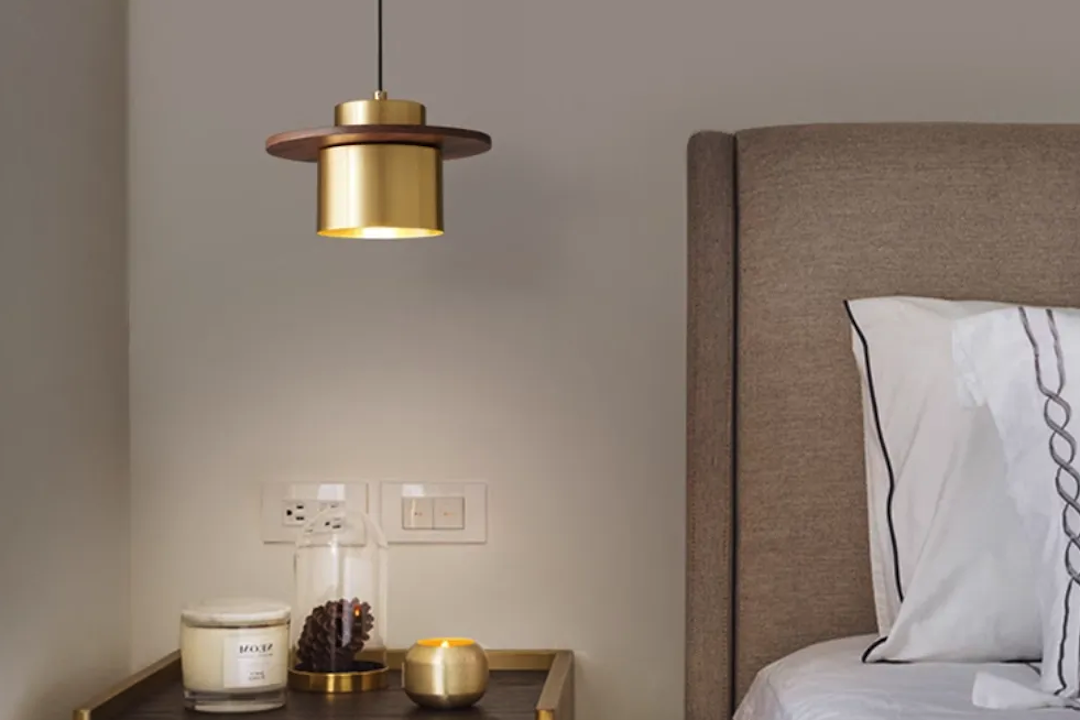

So, you’re curious about mid-century boat-inspired teak lighting? Think sleek lines, warm wood, and that distinctive nautical charm that feels both timeless and totally modern. It’s a look that brings a bit of the great outdoors in, without sacrificing sophistication. This style isn’t just about aesthetics; it’s about thoughtful design that feels functional and inviting.
At its heart, this style of lighting takes cues from the elegant, streamlined designs of mid-20th century yachts and sailboats, combined with the rich, natural beauty of teak wood. It’s a marriage of function and form, where the practical needs of illumination meet the aesthetic sensibilities of the era.
The “Mid-Century” Factor
The “mid-century” part refers to the period roughly from the 1940s to the 1960s. This was a time of significant design innovation, marked by clean lines, organic shapes, and a focus on natural materials. Think less ornate, more functional and accessible. Designers embraced new technologies and materials, but there was also a strong appreciation for traditional craftsmanship and materials like wood.
The “Boat-Inspired” Element
This is where the nautical influence really shines. Mid-century boat design was all about efficiency, durability, and a certain laid-back elegance. Designers borrowed from this by incorporating:
- Curved Silhouettes: Smooth, flowing lines that mimic the hull of a boat or the gentle curve of a sail.
- Functional Hardware: Exposed metal accents, often in brass or brushed nickel, that are both decorative and structural, reminiscent of boat fittings.
- Nautical Details: Sometimes, you’ll see subtle nods to maritime elements like porthole shapes or rope accents, though it’s usually more about the overall feeling than literal representations.
- Emphasis on Light Control: Like on a boat, where you need to manage sunlight and provide focused light Vientolighting, this lighting often features shades that direct light effectively.
Why Teak?
Teak isn’t just any wood; it’s a powerhouse when it comes to furniture and fixtures, especially those with a maritime connection.
- Durability and Water Resistance: Teak is naturally oily and dense, making it incredibly resistant to moisture, rot, and insects. This is why it’s been a go-to for boat decks and outdoor furniture for centuries. While indoor lighting won’t face the same elements, this inherent quality lends a sense of robustness and longevity to the pieces.
- Warm Aesthetic: The color of teak ranges from golden brown to a richer, darker hue, and it ages beautifully, often developing a silvery patina if exposed to light over time. This warm tone adds a cozy, inviting feel to any space.
- Grain Patterns: Teak has a distinctive, often straight, coarse grain that adds visual interest and texture. It feels substantial and luxurious.
Bringing It All Together
So, mid-century boat-inspired teak lighting is about that specific blend: the clean, functional, and elegantly curved designs of the mid-20th century, infused with the robust, natural warmth and subtle nautical references found in boat construction, all realized in the beautiful and durable material of teak. It’s a style that speaks of understated luxury and a connection to nature.
Key Design Characteristics to Look For
When you’re scouting for these pieces, there are a few hallmarks that will tell you you’re on the right track. It’s not just about the wood; it’s about the overall form and how it’s put together.
Sleek, Streamlined Silhouettes
This is probably the most defining characteristic. Forget fussy ornamentation or overly complex shapes.
- Curving Lines: Look for gentle arcs, smooth transitions, and a general absence of sharp angles. This can be seen in the shape of the shade, the base of a lamp, or the arm of a wall sconce.
- Minimalist Approach: The design prioritizes function and form. Excess is stripped away, leaving only what is essential and beautiful.
- Low Profile: Often, these fixtures tend to be relatively low-profile, designed not to overpower a space but to complement it. Think of how a sleek yacht sits low on the water.
Warm, Natural Teak Finishes
The wood itself is a star player, and how it’s finished is crucial.
- Unfinished or Lightly Oiled: Many authentic pieces, or good reproductions, will feature a natural teak finish that highlights the wood’s inherent beauty. It might be lightly oiled to protect it and bring out the grain, rather than heavily lacquered or stained.
- Matte or Satin Sheen: You won’t typically find high-gloss finishes here. The preference is for a more subdued, natural sheen that emphasizes the wood’s texture.
- Aging Gracefully: Good quality teak will develop a beautiful patina over time. Don’t be afraid of pieces that show a bit of age; it often adds to their character.
Functional Metal Accents
The metalwork isn’t just for show; it often serves a practical purpose and adds a touch of nautical hardware.
- Brass and Brushed Nickel: These metals are common companions to teak in this style. Brass, especially, has a warm tone that complements teak beautifully and evokes a classic maritime feel. Brushed nickel offers a cooler, more contemporary take.
- Exposed Fasteners: Sometimes, you’ll see visible screws or bolts, which can lend an industrial or utilitarian feel, reminiscent of how boats are constructed for durability.
- Adjustable Arms and Pivots: Many designs incorporate adjustable elements – think articulated arms on desk lamps or wall sconces that can be angled. This focus on adjustability is a direct nod to the practical needs of a boat or workshop.
The Shape of the Shade
The shade plays a vital role in diffusing and directing light, and its form often echoes the boat theme.
- Drum or Cylinder Shades: Simple, clean shapes that are often made from wood, fabric, or even frosted glass.
- Cone or Bell Shapes: These can evoke the curve of a sail or the funnel of a ship.
- Porthole Inspiration: Less common, but some designs might feature circular shades that subtly hint at a ship’s porthole.
Integration of Form and Function
This style isn’t just about slapping a teak piece onto a light bulb. The design is cohesive.
- Balanced Proportions: The size and weight of the teak elements will be balanced with the light source and the overall fixture.
- Thoughtful Light Diffusion: The shade and the fixture are designed to cast a pleasant, often warm, light, rather than harsh glare.
- Sense of Stability: Even with flowing lines, there’s an underlying sense of groundedness and stability, much like a well-built boat.
Where to Find Mid-Century Boat-Inspired Teak Lighting
Hunting for unique pieces can be part of the fun. You’re not usually going to find these at your standard big-box home improvement store. It requires a bit more digging, but the reward is a lighting fixture with character and a story.
Vintage and Antique Stores
This is often your best bet for authentic mid-century pieces.
- Treasure Trove: These stores are packed with items from past eras. You might stumble upon a genuine Danish modern teak lamp or a beautifully crafted sconce.
- Be Patient and Persistent: Finding the perfect piece can take time. Visit regularly, and don’t get discouraged if you don’t find what you’re looking for on your first try.
- Inspect Carefully: Look for any damage to the wood, loose joints, or issues with the electrical components. Minor repairs are often manageable, but significant damage might be a dealbreaker.
Online Marketplaces
The internet has opened up a world of possibilities for vintage hunters.
- Etsy: Known for its artisans and vintage sellers, Etsy is a fantastic resource for unique, handmade, and pre-owned items. You can often find curated collections of mid-century lighting.
- eBay: A classic for auctions and buy-it-now listings. You can set up alerts for specific search terms like “mid century teak lamp” or “nautical teak light.”
- Specialty Vintage Websites: Many sites focus specifically on mid-century modern furniture and decor. These often have higher quality items but can also come with higher price tags.
- Filter Wisely: Use specific keywords and filters to narrow down your search. Look at seller reviews and item descriptions closely.
Reproduction and Design Companies
If authentic vintage isn’t feasible, there are companies that create new pieces inspired by this style.
- Modern Takes on Classics: Many contemporary lighting designers draw inspiration from mid-century aesthetics. They might use teak or similar woods and incorporate the characteristic shapes and hardware.
- Focus on Quality Materials: Look for companies that emphasize good craftsmanship and durable materials, even if it’s a new piece.
- Research Brands: Some brands are known for their commitment to mid-century modern design. Look for reviews and examples of their work.
Custom Makers and Artisans
For a truly bespoke piece, consider commissioning a light fixture.
- Unique Designs: You can work with a woodworker or lighting designer to create something exactly to your specifications, incorporating the boat-inspired teak elements you love.
- High-Quality Craftsmanship: This is often the route to the highest quality, with attention paid to every detail.
- Potentially Higher Cost: Custom work will generally be more expensive than buying off-the-shelf, but you get a unique piece that’s perfectly suited to your space.
Styling Your Space with Teak Lighting
Once you’ve found your perfect piece, the fun is in integrating it into your home. This style of lighting has a remarkable ability to make a space feel both sophisticated and lived-in.
Complementary Design Styles
This lighting isn’t confined to a single aesthetic.
- Mid-Century Modern: Naturally, it fits perfectly with other mid-century pieces like Danish teak furniture, Eames chairs, or Sputnik chandeliers.
- Scandinavian Design: The clean lines, natural materials, and emphasis on light in Scandinavian design make it a great match. Think pale woods, minimalist furniture, and cozy textiles.
- Nautical and Coastal: This is an obvious pairing. The boat-inspired elements will enhance a coastal or nautical theme, bringing in that relaxed, seaside vibe.
- Eclectic Interiors: Don’t be afraid to mix and match. A teak lamp can add warmth and a unique focal point to an otherwise contemporary or even bohemian space. The natural wood provides a grounding element.
Placement Considerations
Where you put your lighting can dramatically change the feel of a room.
- Living Rooms: A teak floor lamp can cast a warm glow over a reading nook, while a pendant light over a coffee table can add a touch of elegance. Wall sconces can provide ambient light or task lighting near seating.
- Dining Rooms: A pendant light made of teak, or with teak accents, can create a focal point above a dining table, enhancing the dining experience with its warm illumination.
- Bedrooms: A bedside lamp with a teak base and a soft shade can create a cozy, inviting atmosphere perfect for winding down.
- Entryways and Hallways: A well-placed sconce or a small table lamp can make a great first impression, welcoming guests with warmth and style.
Creating Ambiance
It’s not just about how the light looks; it’s about how it makes you feel.
- Warm, Inviting Glow: Teak, combined with the right bulbs and shades, tends to produce a warm, soft light that makes a room feel more comfortable and inviting.
- Highlighting Textures: The natural grain of the teak can be beautifully highlighted by the light, adding visual interest and depth to the fixture itself.
- Balancing Modern and Natural: This lighting is excellent for bridging the gap between modern sensibilities and a desire for more natural, organic elements in your home.
Pairing with Other Materials
Think about what other textures and finishes will work well alongside your teak lighting.
- Natural Fibers: Think linen, cotton, wool, and rattan. These materials complement the warmth of teak and enhance the natural, relaxed feel.
- Metals: As mentioned, brass and brushed nickel work well. For a bolder statement, consider a touch of black metal for contrast.
- Glass: Frosted or clear glass in shades can work beautifully, diffusing light and adding a touch of refinement.
- Ceramics: Handmade ceramic pieces can echo the artisanal quality of the lighting.
Maintenance and Care for Teak Lighting
Teak is a durable wood, but like any natural material, it benefits from a little care to keep it looking its best. The good news is, it’s generally not high-maintenance.
Regular Cleaning
This is the most important step to prevent dust and grime from building up.
- Dusting: Use a soft, dry microfiber cloth to gently dust the teak surfaces regularly. This is usually all that’s needed for most indoor fixtures.
- Damp Cloth (Use Sparingly): If you encounter a sticky spot or a more stubborn mark, slightly dampen a soft cloth with water. Wring it out thoroughly so it’s barely moist. Wipe the affected area gently and then immediately dry it with a clean, dry cloth.
- Avoid Harsh Chemicals: Never use abrasive cleaners, ammonia-based products, or solvents on teak. These can strip the wood’s natural oils and damage the finish.
Re-oiling (If Necessary)
Over time, especially if exposed to significant light or dry air, the teak might start to look a little dull.
- Assess the Wood: If the teak has lost its luster and feels dry to the touch, it might be time for a light re-oiling.
- Choose the Right Oil: Use a high-quality teak oil or a food-grade mineral oil. These are designed to penetrate the wood and restore its natural oils without leaving a sticky residue. Avoid furniture polishes that contain silicones or waxes, as they can build up and dull the finish.
- Application: Apply a small amount of oil to a clean, lint-free cloth. Rub it into the wood following the grain, in a thin, even coat.
- Wipe Off Excess: Allow the oil to soak in for about 10-15 minutes, then use a clean cloth to wipe away any excess oil. You don’t want the wood to feel oily or sticky.
- Frequency: Re-oiling is usually only needed once or twice a year, or even less, depending on your environment and how much the piece is exposed to light. It’s more about maintaining the look than a strict schedule.
Handling Metal Components
If your fixture has metal accents (brass, nickel, etc.), they may also need attention.
- Brass: If brass develops a patina you don’t like, you can use a brass cleaner to restore its shine. However, many people prefer the aged patina of brass.
- Brushed Nickel: This finish is generally low-maintenance. A soft cloth is usually enough. If it gets water spots, a very mild soap and water solution followed by thorough drying should work.
- Avoid Scratches: Be careful when cleaning metal parts not to scratch them with abrasive cloths or harsh scrubbing.
Electrical Safety
This is paramount for any lighting fixture.
- Check Cords and Plugs: Periodically inspect the electrical cord and plug for any signs of damage, fraying, or wear. If you find any issues, have it repaired by a qualified electrician.
- Bulb Wattage: Always adhere to the recommended maximum wattage for the bulb. Overpowering the fixture can lead to overheating and potential damage.
- Professional Inspection: If you have an older vintage piece, it’s a good idea to have a qualified electrician inspect the wiring periodically to ensure it’s safe and up to modern standards.
The Enduring Appeal of Mid-Century Boat-Inspired Teak Lighting
So, why does this specific style continue to resonate with people today? It’s more than just a trend; it taps into something deeper about how we want our homes to feel.
Timelessness and Versatility
The clean lines and natural materials mean these pieces don’t feel confined to a specific decade.
- Evolving Decor: As your tastes or your home’s decor evolve, teak lighting can seamlessly adapt. It’s not so trendy that it will look dated in a few years.
- Bridging Styles: As mentioned, it fits into so many different interior design aesthetics, from the strictly mid-century to more eclectic and modern spaces. It brings a grounding element.
Connection to Nature and Craftsmanship
In our increasingly digital and fast-paced world, there’s a strong pull towards natural materials and well-made objects.
- Tactile Experience: The warmth and texture of teak are incredibly pleasing to the touch. It’s a material that feels honest and real.
- Appreciation for Quality: These pieces often represent a dedication to craftsmanship. Whether vintage or a well-made reproduction, they tend to be built to last, a welcome contrast to the disposable nature of some modern goods.
- Nautical Allure: There’s an inherent romance in the idea of the sea, boats, and travel. This style brings a subtle piece of that adventure and elegance into your home, even if you’re miles from the coast.
Creating a Welcoming and Sophisticated Atmosphere
The overall effect is one of understated elegance and comfort.
- Warmth and Ambiance: The wood’s natural color and the way the light is diffused create a cozy, inviting glow that makes a space feel like a true home.
- Subtle Statement: It’s a way to add character and visual interest without being over-the-top. The design speaks for itself.
- A Touch of Escapism: For many, it evokes feelings of relaxed vacations, breezy days, and a connection to a simpler, perhaps more elegant, time.
Ultimately, mid-century boat-inspired teak lighting offers a beautiful combination of form, function, and enduring style. It’s a way to infuse your home with warmth, character, and a subtle nod to the timeless appeal of the sea and well-crafted design. It’s not just about illumination; it’s about creating a mood and a connection.