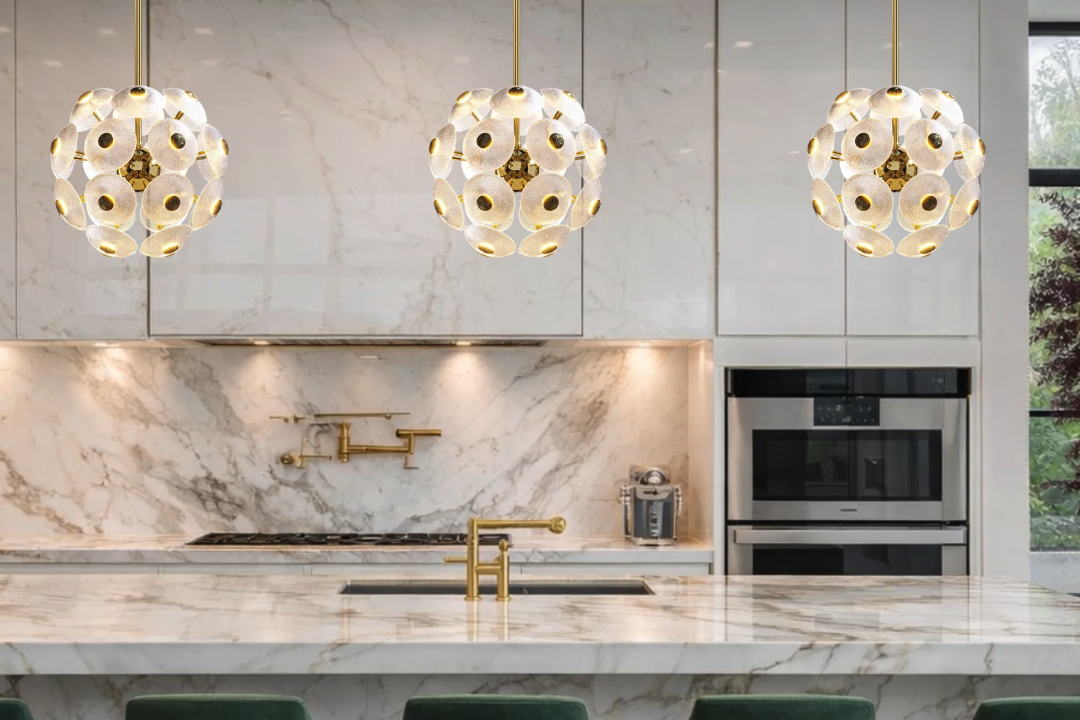
So, you’re looking for a pendant light that’s both a statement piece and a functional marvel for your kitchen island? Specifically, a stylish Italian modern low glare island pendant. That’s a pretty specific, but excellent, choice. The good news is, yes, they absolutely exist, and they’re fantastic for creating both ambiance and practicality. These aren’t just about looking good; they’re designed to illuminate your workspace without causing eye strain or that annoying glare.
Think of it as bringing a touch of sophisticated, functional art directly above your culinary hub. These pendants aim to blend the timeless elegance of Italian design with the contemporary need for comfortable, effective lighting Dabrews. We’re talking about fixtures that can transform your kitchen from a mere cooking space into a more inviting and usable area, whether you’re prepping dinner, enjoying a casual meal, or entertaining guests. Let’s dive into what makes them tick and what to look for.
Italian design, in general, carries a certain prestige. It’s often associated with craftsmanship, a keen eye for aesthetics, and a focus on quality materials. When you apply this to modern lighting, especially for something as central as a kitchen island, you get pieces that are both timeless and on-trend.
What “Italian Modern” Really Means for Lighting
It’s not just about a specific period. “Italian Modern” in lighting often translates to:
Clean Lines and Minimalist Forms
You’ll find a distinct lack of fuss. Expect sleek silhouettes, geometric shapes, and an emphasis on form following function. Think elegant cylinders, subtle curves, or well-defined rectangular forms. The goal is sophistication through simplicity, allowing the material and the light quality to take center stage.
Emphasis on Materials and Finish
Italian designers are known for their impeccable taste in materials. For pendants, this could mean:
- Brushed metals: Think brass, bronze, or stainless steel with a soft, matte finish that diffuses light beautifully and avoids harsh reflections.
- Hand-blown glass: Often with subtle textures or finishes like frosted, opal, or seeded glass, which are excellent for softening light.
- High-quality lacquers: In sophisticated matte or satin finishes, offering a smooth, refined look.
- Natural elements: Sometimes wood accents or ceramic components are incorporated for warmth and a touch of organic beauty.
Sophisticated Color Palettes
While bold colors can appear, the dominant palette for Italian modern lighting often leans towards understated elegance.
- Neutrals: Whites, creams, grays, and blacks are common, providing a versatile backdrop.
- Metallic finishes: Warm brass, aged bronze, and polished nickel add a touch of luxury.
- Deep, rich tones: Occasionally, you might see deep blues, greens, or burgundies, but usually in a more muted, sophisticated application.
The “Modern” Aspect: Functionality Meets Form
The “modern” part of Italian modern is crucial. It means these designs aren’t just decorative; they’re engineered for contemporary living. This is where the “low glare” aspect comes into play, a key characteristic we’ll explore further.
Understanding Low Glare Lighting
Glare is that uncomfortable visual sensation caused by excessive and uncontrolled brightness. For a kitchen island, where you spend a lot of time chopping, reading recipes, or even just having conversations, harsh glare can be a real problem. Low glare lighting aims to minimize this.
How Pendants Achieve Low Glare
It’s a combination of thoughtful design and the right technology:
Diffusers and Shades
This is perhaps the most significant factor.
- Frosted or Opal Glass: These common materials scatter light, making it softer and more diffused. The light source is hidden, and the illumination is spread evenly.
- Textured Glass: Rippled, seeded, or etched glass can also break up direct light, reducing harshness.
- Internal Diffusers: Some pendants have a secondary diffuser layer inside the main shade, further softening the light output.
- Indirect Lighting: Certain designs bounce light upwards or outwards, illuminating the space without direct downward beams.
Shielded Light Sources
The way the bulb or LED module is integrated into the fixture is vital.
- Recessed LEDs: The light source is set back within the fixture, so your direct line of sight doesn’t hit the brightest point.
- Baffle designs: These internal structures within the shade help to block direct light from escaping at certain angles.
Light Color Temperature and Brightness (Lumens)
While not strictly a design feature of the pendant itself, the bulb or integrated LED plays a huge role in glare.
- Color Temperature: Generally, warmer color temperatures (around 2700K-3000K) are perceived as softer and less harsh than cooler temperatures (4000K+).
- Brightness: Overly bright lights are a primary cause of glare. Choosing a pendant with appropriate lumen output for your island size is key.
Why Low Glare Matters Above Your Island
Your kitchen island is a multi-purpose zone.
- Task Lighting: You need clear, focused light for food preparation without straining your eyes.
- Ambient Lighting: The pendant contributes to the overall mood of the kitchen, making it feel welcoming.
- Reducing Eye Strain: Long periods of cooking or working at the island are more comfortable when the lighting is gentle.
- Aesthetics: Glare can make a beautiful fixture look harsh and uninviting. Low glare ensures the pendant enhances, rather than detracts from, your kitchen’s ambiance.
Key Features of Stylish Italian Modern Low Glare Pendants
So, what should you be looking for when browsing for these specific fixtures? It’s a blend of the Italian aesthetic and the functional low-glare properties.
Form Factor and Scale
The shape and size of the pendant are critical to its style and effectiveness.
Linear vs. Individual Pendants
- Linear Pendants: These are long, often rectangular fixtures designed to span the length of your island. They offer consistent illumination and a very modern, streamlined look. Ideal for longer islands.
- Individual Pendants: A cluster or series of identical or complementary individual pendants hung at regular intervals. This offers more flexibility in arrangement and can create a dynamic visual. Perfect for shorter to medium-sized islands, or for a more layered aesthetic.
Silhouette and Shape
- Cylindrical: A classic choice, offering clean lines and often excellent light diffusion.
- Spherical/Orb: Can offer a softer, more organic feel. The internal construction is key for low glare.
- Geometric: Rectangular, square, or polygonal shapes can add a contemporary edge.
- Tapered: A cone or bell shape can direct light downwards effectively.
Material Choices and Finishes for an Italian Flair
As mentioned, Italian design excels with materials. Look for:
Metals with a Soft Touch
- Brushed Brass: Offers warmth and sophistication without being overly shiny. It ages beautifully.
- Aged Bronze/Patina: Provides a rich, deep hue and a matte finish that diffuses light well.
- Satin Nickel/Chrome: While some chrome can be too reflective, satin finishes offer a more subdued metallic sheen.
- Blackened Steel: A very modern and dramatic option that can have a matte, light-absorbing quality.
Glasswork with Intent
- Hand-Blown Opal Glass: The go-to for soft, diffused light. It’s almost always a safe bet for low glare.
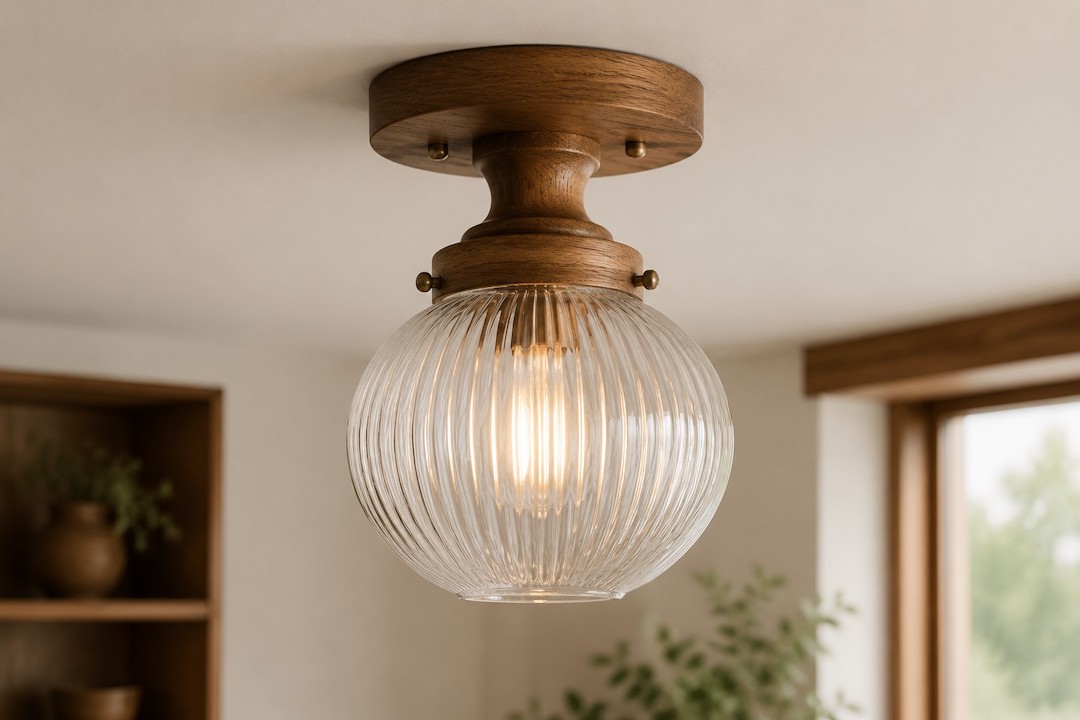
- Seeded or Ribbed Glass: Adds subtle texture and visual interest while breaking up direct light.
- Frosted Glass: A classic for diffusing light evenly.
- Alabaster: A natural stone that, when backlit, offers a unique, warm, and diffused glow. This is a hallmark of some higher-end Italian fixtures.
Other Elegant Materials
- Matte Lacquer: In sophisticated colors like deep charcoal, muted olive, or off-white.
- Wood Accents: Can add a touch of natural warmth to a modern design, often used in conjunction with metal or glass.
Integrated LED Technology
Many modern Italian designs feature integrated LED lighting. This offers several advantages:
Efficiency and Longevity
LEDs are highly energy-efficient and have a very long lifespan, meaning fewer bulb changes and lower electricity bills.
Design Flexibility
Integrated LEDs allow for more compact and creative fixture designs that wouldn’t be possible with traditional bulb sockets. This is how designers achieve those sleek, minimalist forms.
Built-in Dimming and Color Temperature Control
- Dimmability: Crucial for setting the mood. Ensure the pendant is compatible with your dimmer switch or comes with its own.
- Color Temperature: Look for integrated LEDs that offer a warm white (2700K-3000K) for a cozy and inviting feel, which also helps reduce perceived glare. Some high-end options might offer adjustable color temperature.
Installation and Practical Considerations
Once you’ve found the perfect pendant, getting it installed and ensuring it functions optimally is key.
Placement is Paramount
This isn’t just about aesthetics; it’s about function.
Height Above the Island
- General Rule: Aim for 30-36 inches between the bottom of the pendant and the surface of your island. This ensures ample clearance for working without hitting your head, but also keeps the light close enough to be effective.
- Consider Ceiling Height: If you have very high ceilings, you might need to hang them lower or opt for longer fixtures. For low ceilings, ensure the pendant doesn’t feel too bulky or hang too low.
- Visual Balance: The pendants should feel proportional to the island and the overall kitchen.
Spacing of Multiple Pendants
- Rule of Thumb: Leave about 24-30 inches between the centers of individual pendants. This provides good coverage without the lights feeling too crowded or too far apart.
- Island Width: The total span of your pendants shouldn’t exceed the length of your island.
Wiring and Electrical
This is where you’ll likely need professional help.
Dimmer Switches
- Compatibility is Key: Make sure the pendant (or its integrated LEDs) is compatible with the type of dimmer switch you have or plan to install. Non-compatible combinations can lead to flickering or poor dimming performance.
- LED Dimmers: Specific dimmers are designed for LED loads.
Recessed vs. Surface Mounted Junction Boxes
- New Construction: You have more flexibility with recessed boxes.
- Remodels: You might need to use a surface-mounted box or a canopy kit to cover existing wiring. An electrician will know the best solution.
Maintenance and Cleaning
Even stylish fixtures need a bit of care.
Material-Specific Cleaning
- Glass: Use a soft, lint-free cloth with a mild glass cleaner. Avoid abrasive materials that could scratch.
- Metals: Follow manufacturer recommendations. Brushed finishes can sometimes be sensitive to harsh chemicals. Microfiber cloths are usually your best friend.
- Lacquered Surfaces: A soft, damp cloth is typically sufficient.
Bulb/LED Access
If your pendant uses replaceable bulbs, ensure you can easily access them for changes. For integrated LEDs, this is less of a concern, as they are designed to last the lifetime of the fixture.
Top Design Styles to Look For
Within the broad category of Italian modern low glare island pendants, you’ll find several distinct styles that cater to different tastes.
Minimalist Cylinders and Rods
This is a very popular and versatile choice for modern kitchens.
Key Characteristics
- Sleek and Unobtrusive: Often a simple cylinder or a slender rod shape.
- Material Focus: Think brushed metals (brass, bronze) or matte black/white finishes.
- Light Diffusion: Usually achieved through an internal frosted glass diffuser or a carefully designed opaque shade that directs light downwards softly.
- Low Glare: The design inherently shields the light source effectively.
Best For
- Modern, minimalist, or contemporary kitchens.
- Islands where you want the lighting to complement rather than dominate the décor.
- Achieving a clean, uncluttered look.
Sculptural Forms and Organic Shapes
For those who want their lighting to be a true artistic statement.
Key Characteristics
- Unique Silhouettes: Think flowing lines, subtle curves, or interesting geometric interplay.
- Artisan Craftsmanship: Often uses hand-blown glass or meticulously shaped metal.
- Light Interaction: The shape itself interacts with light, creating soft shadows and gentle illumination.
- Low Glare: Achieved through carefully engineered diffusers, internal shielding, or the inherent properties of materials like alabaster.
Best For
- Kitchens with a more curated, artistic feel.
- Islands that serve as a focal point and require a striking centerpiece.
- Adding a touch of luxury and unique character.
Layered and Textured Designs
These pendants offer depth and visual interest.
Key Characteristics
- Multiple Materials: Combining metal with glass, or different types of glass.
- Textural Elements: Ribbed glass, seeded glass, or even woven metal elements.
- Sophisticated Layering: The way light passes through different layers creates a rich, diffused effect.
- Low Glare: The texture and layering naturally break up direct light, softening it.
Best For
- Kitchens looking for a warmer, more inviting, or slightly more traditional-modern aesthetic.
- Adding depth and tactile interest to the island.
- Creating a cozy ambiance.
Industrial-Chic Inspired
While “Italian Modern” might not immediately bring industrial to mind, there’s a sophisticated interpretation.
Key Characteristics
- Raw Material Honesty: Think blackened steel, aged brass, or gunmetal finishes.
- Simple, Robust Forms: Often inspired by vintage factory or workshop lighting but refined.
- Exposed Elements (Carefully Handled): Sometimes features a visible bulb (but often a decorative Edison-style LED with a warm glow) encased within a protective metal cage or shade.
- Low Glare: Achieved through specific shade shapes that direct light downwards and shield the filament, or by using frosted bulbs.
Best For
- Modern farmhouse, industrial, or loft-style kitchens.
- Adding a touch of understated masculinity or raw elegance.
- Creating a warm, inviting glow with a bit of edge.
Where to Find Your Perfect Pendant
Discovering these specialized fixtures involves looking in the right places.
Dedicated Lighting Showrooms
These are often your best bet for high-quality, designer pieces.
What to Expect
- Expert Advice: Staff are usually knowledgeable about different styles, materials, and lighting technologies.
- Quality Brands: Showrooms typically carry reputable manufacturers known for design and craftsmanship.
- In-Person Viewing: You can see the fixtures, their finishes, and how they’re constructed firsthand.
Online Retailers Specializing in Designer Lighting
The internet opens up a vast world of options.
Online Advantages
- Wider Selection: Access to a broader range of brands and styles than most physical showrooms.
- Convenience: Browse and compare from home.
- Customer Reviews: Can offer insights into real-world performance and durability.
What to Look For Online
- Detailed Specifications: Pay close attention to dimensions, materials, finish, and light source information.
- High-Quality Images and Videos: Look for multiple angles and, if possible, videos showing the light in action.
- Return Policies: Ensure there’s a reasonable return policy in case the fixture doesn’t work in your space.
Italian Lighting Brands and Their Distributors
Directly exploring Italian brands can lead to authentic pieces.
Brands to Research (Examples, not exhaustive)
- Artemide: Known for iconic designs and innovation.
- Flos: High-end designer lighting with a strong modernist Italian heritage.
- Menu (Danish, but often fits the aesthetic): While not Italian, Menu has many Scandinavian designers whose work shares the minimalist, functional ethos that aligns well with Italian modern.
- Foscarini: Offers a wide range of contemporary Italian designs.
- Brand van Egmond: Dutch, but with a luxurious, sculptural approach that can overlap.
Finding Distributors
Check the websites of these brands; they usually list their authorized dealers and retailers in your region.
Considerations for Purchase
- Budget: Italian designer lighting can range significantly in price. Determine your budget beforehand.
- Lead Times: Some high-end or custom pieces may have longer lead times for production and shipping.
- Warranty: Check the warranty offered on the fixture and its integrated LEDs.
In conclusion, a stylish Italian modern low glare island pendant is more than just a light fixture; it’s an investment in both your kitchen’s functionality and its aesthetic appeal. By understanding the design principles, the technical aspects of low glare, and where to find these sophisticated pieces, you can elevate your kitchen island into a beautifully illuminated and inviting heart of your home.